A front door has to handle daily use, changing weather, and the small impacts of bags, shoes, and deliveries. In 2026, choosing an Aluminum Residential Door means looking beyond its color or clean, modern lines. Frame construction, thermal breaks, glass type, seals, hardware, and installation all affect how the door performs. Details matter. A slim frame may brighten a shaded entry, while a darker finish can show dust and scratches more readily. Ask how the finish is maintained, what warranty applies, and whether replacement parts are available.
This guide outlines practical points for comparing doors, from measurements and swing direction to insulation and security features. It also explains why the surrounding wall and the installer’s workmanship matter as much as the product specifications. Compare written performance data, not just showroom samples. Not every home needs the same configuration, and a highly rated door may still feel wrong in a particular entry. Think about winter drafts, afternoon sun, street noise, and how often the doorway is used. A checklist helps, but it cannot replace a careful site assessment. Some choices only become clear when you stand in the space and notice how the door opens. That is worth considering before you buy.
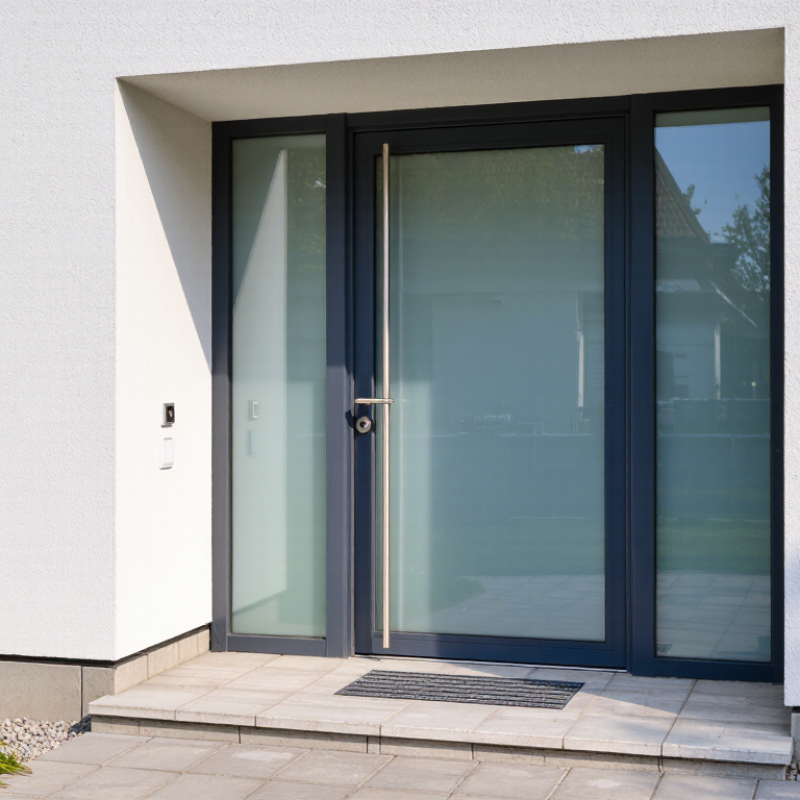
Before comparing aluminum residential doors, identify where the door will go and how your household uses it. A front entrance may need a secure lock, a clear view through glass, and a finish that handles frequent contact. A patio door has different demands: smooth daily operation, good weather seals, and enough glass for the room’s natural light. Start with the room. Measure the opening, including its depth, and note nearby steps, furniture, and the direction the door should swing.
Think about local weather and the wall around the opening. In hot or cold climates, ask how the frame limits heat transfer; a thermal break can help, but the whole installation matters too. Check drainage details if rain often reaches the threshold. For a bedroom or street-facing room, compare glazing options for privacy and noise control. No single feature solves every problem.
Finally, consider who will use the door each day. A heavy, wide door may be awkward for children or anyone with limited mobility, while a low threshold can make passage easier. Look at handle height, opening force, and maintenance needs. Measure twice. It is tempting to choose the slimmest frame for its clean look, but I would not treat appearance as proof of comfort or performance. Ask an installer how the door will be fitted to your specific opening. That detail is easy to overlook.
How to Choose an Aluminum Residential Door in 2026?
Compare styles by how you use the opening. Hinged doors offer a familiar entry and can seal tightly when correctly installed. Sliding doors save floor space, but their tracks need regular cleaning and precise weatherstripping. Folding doors create wide openings; their multiple joints require careful adjustment. Small details matter.
Frame construction affects comfort. Look for a continuous thermal break between the interior and exterior aluminum, plus drainage paths that direct rain away from the sill. For glazed doors, compare the NFRC-certified U-factor: lower values indicate less heat transfer.
The U.S. Department of Energy’s Energy Saver guidance estimates that windows account for 25–30% of residential heating and cooling energy use; that figure is not specific to doors, but it highlights why glazing deserves attention. EIA’s 2020 Residential Energy Consumption Survey reports that space heating accounts for about 42% of household energy consumption.
A well-rated door cannot fix poor installation, though. Check the frame depth, seals, and threshold against the actual opening before choosing.
When choosing an aluminum residential door in 2026, look beyond the frame’s appearance. Aluminum conducts heat, so ask whether the door uses a thermal break between its interior and exterior sections. Check the published U-factor, and compare it with products suited to your climate. If the door includes glass, consider both insulation and summer heat gain. A showroom sample can make this easy to miss.
Weather resistance depends on more than metal. Inspect the weatherstripping around the full perimeter, the sill design, and how water drains away from the threshold. In rainy or coastal areas, ask about finish durability and corrosion resistance. Look for test data relevant to wind and water exposure where you live. Feel the draft. Small gaps can matter more than a polished finish, though installation quality is easy to overlook when comparing brochures.
Security should be evaluated as a system. Check the lock type, reinforced strike area, hinge attachment, and frame anchoring—not just the number of bolts. A multi-point lock may help distribute force, but it cannot compensate for weak installation. Ask a qualified installer how the door will be secured to your wall and whether the surrounding frame needs reinforcement. It is tempting to choose the thickest-looking door; that is not always the best measure. Compare documented performance, then inspect the details you will use every day.
When comparing aluminum residential doors in 2026, treat the glazing as part of the entry system, not just decoration. Double glazing can reduce heat transfer, while laminated glass helps hold fragments together if the pane breaks. Performance depends on the complete door assembly, so ask for documented thermal ratings and glazing details. Check privacy at night, too. A bright hallway can feel surprisingly exposed.
Hardware should suit the door’s weight and daily use. Open and close the sample if possible; the handle should feel firm, and the hinges should move without scraping. Ask whether the lock and hinges are adjustable and how often they need attention. A stiff latch may be a small annoyance at first. It can become a daily one.
Finish choice affects upkeep. Powder-coated and anodized surfaces have different appearances, so compare real samples outdoors, where sunlight can change how a color reads. Check the care instructions before choosing a cleaner; abrasive pads can mark some finishes. Rinse away dust and salt, especially near the coast, and inspect the frame’s drainage paths. Maintenance is not difficult, but it is easy to forget. Don’t assume every finish ages the same way.
| Selection factor | Options and typical uses | What to check before purchase | Care and maintenance |
|---|---|---|---|
| Glazing type | Double glazing is a common choice for balancing insulation and cost. Triple glazing may suit colder climates or noise-sensitive locations. Laminated glass can help retain fragments if broken; tempered glass is designed to break into smaller pieces. | Confirm the glass build-up, safety-glazing requirements for the door location, and whether the glazing is appropriate for the local climate. Ask for whole-door energy-performance data, not glass-only figures. | Clean with a soft cloth and a non-abrasive glass cleaner. Inspect glazing seals periodically for gaps, cracking, or visible moisture between panes. |
| Thermal performance | Thermally broken frames use an insulating barrier between the interior and exterior aluminum sections. Low-emissivity coatings and gas-filled insulating glass units can further reduce heat transfer, depending on the door design. | Compare whole-unit U-factor and solar heat gain coefficient where available. Lower U-factor generally indicates less heat transfer; the suitable solar heat gain depends on climate, orientation, and shading. Check current local energy-code requirements. | Keep drainage paths clear and check perimeter seals. Persistent condensation can have several causes; consult a qualified installer if it continues or appears between glass panes. |
| Locks and hardware | Common features include a multipoint lock, deadbolt, lever handle, hinges, and optional closer. Hardware choice depends on door type, opening frequency, exposure, and accessibility needs. | Check that the lock and cylinder are compatible with the door and local security requirements. Test smooth operation, confirm the number and position of locking points, and ask whether replacement parts are available. | Periodically check screws, hinges, handles, and lock alignment. Use only lubricant recommended for the hardware; avoid forcing a lock that does not engage smoothly. |
| Finish and color | Powder-coated finishes offer a broad range of colors and surface effects. Anodized finishes create an oxide layer and are available in metallic tones. Suitability and appearance depend on the coating process and exposure conditions. | Request a physical sample where possible. Confirm the finish specification, exterior suitability, warranty terms, and whether different faces can have different colors. Coastal or industrial environments may require more corrosion-resistant specifications. | Wash with clean water and mild, pH-neutral soap using a soft cloth. Avoid abrasive pads, strong solvents, and harsh cleaners that may damage the finish. |
| Weather seals and threshold | Perimeter seals and a properly designed threshold help limit drafts and water entry. Low thresholds can improve accessibility, while higher or weather-rated thresholds may be more suitable for exposed entrances. | Match the threshold and drainage design to the entrance exposure and applicable accessibility rules. Confirm how the sill will be flashed and installed, since installation details affect water management. | Remove dirt from the threshold and drainage channels. Inspect seals for compression, tears, or gaps and replace worn components when needed. |
| Door configuration and installation | Single-leaf, double-leaf, and glazed-panel configurations each affect clearance, daylight, privacy, and usable opening width. The correct frame and handing depend on the building opening and layout. | Measure the opening accurately and verify swing direction, clear opening width, frame depth, and wall construction. Use a qualified installer and confirm that installation instructions, flashing, and sealing details are provided. | After installation, check that the leaf moves freely, latches without excessive force, and has even gaps around the frame. Recheck alignment if the door begins to drag or leak air. |
| Maintenance expectations | Aluminum frames generally do not require repainting as often as many timber finishes, but coatings, seals, glass, drainage paths, and moving hardware still need routine attention. | Ask for written cleaning instructions, warranty coverage, recommended inspection frequency, and information about replacing seals, glazing, or hardware. | As a practical starting point, inspect the door at least twice a year and after severe weather. Clean more often in salty, dusty, or polluted environments, following the care instructions for the selected finish and hardware. |
Performance figures, safety-glazing rules, accessibility requirements, and maintenance recommendations vary by product, installation, and location. Verify specifications against current local codes and the door supplier’s documentation.
When comparing aluminum residential door quotes in 2026, look beyond the price of the door itself. Ask whether the estimate includes removal, flashing, perimeter sealing, interior trim, disposal, and repairs to the opening. A narrow quote can look attractive until these items appear later. Request a written, itemized total and confirm how unexpected damage will be priced. That matters.
Warranty terms deserve the same attention. Check how long the frame, finish, hardware, and installation are covered; they may have different periods. Read the exclusions for coastal exposure, cleaning products, water intrusion, and adjustments. Ask who handles a claim and whether labor is included. A long warranty is not automatically a strong one. Keep the document and installation records.
Supplier credentials can help you judge whether the quote is dependable. Verify current insurance, relevant residential installation experience, and references for completed projects. Ask who will install the door, not only who sold it, and request product specifications that match the quote. A showroom sample may not reflect the finished opening. I would also compare two or three written proposals, though this takes time and can still leave details unclear. If answers about sealing or warranty responsibility stay vague, pause before signing.
Decide where it will go and how your household uses it. A front entrance may need a secure lock and clear glass. A patio door may need smooth operation and reliable weather seals.
Measure its width, height, and depth. Note nearby steps, furniture, and the intended swing direction. Measure twice; I have sometimes underestimated how much depth matters.
Ask about thermal breaks and documented thermal ratings. The full installation affects performance, not just the frame. Check drainage details if rain reaches the threshold.
Double glazing can reduce heat transfer. Laminated glass helps hold fragments together if the pane breaks. Ask for details about the complete door assembly.
Compare glazing options for street-facing rooms or bedrooms. Check privacy after dark, too. A lit hallway can feel exposed.
Try opening and closing a sample. The handle should feel firm, and hinges should move without scraping. Ask whether the hardware is adjustable and needs regular attention.
Compare real samples outdoors, where sunlight may change their appearance. Read care instructions before using a cleaner. Abrasive pads can mark some finishes.
Consider handle height, opening force, and threshold height. A low threshold may help with passage. A heavy, wide door can be awkward for children or people with limited mobility.
Rinse away dust and salt, especially near the coast. Inspect the frame’s drainage paths. Maintenance is simple, but easy to forget.
Choosing an Aluminum Residential Door in 2026 starts with understanding where it will be used, how often it will be opened, and what your home needs in terms of appearance, access, and durability. Compare door styles and frame designs, paying attention to construction quality and how each option fits your home. Consider energy efficiency, resistance to rain, wind, and temperature changes, and the security features suited to the entrance.
Look closely at glazing options, hardware, finishes, and the care each door will need over time. Before making a decision, compare the full installation cost rather than just the door price, and review warranty coverage and the supplier’s experience and service. A careful assessment of these factors can help you select a door that balances function, comfort, appearance, and long-term value.