- NFRC & CE Certified
- PA66 Polyamide Thermal Barrier
- TÜV AUSTRIA & Bureau Veritas Verified
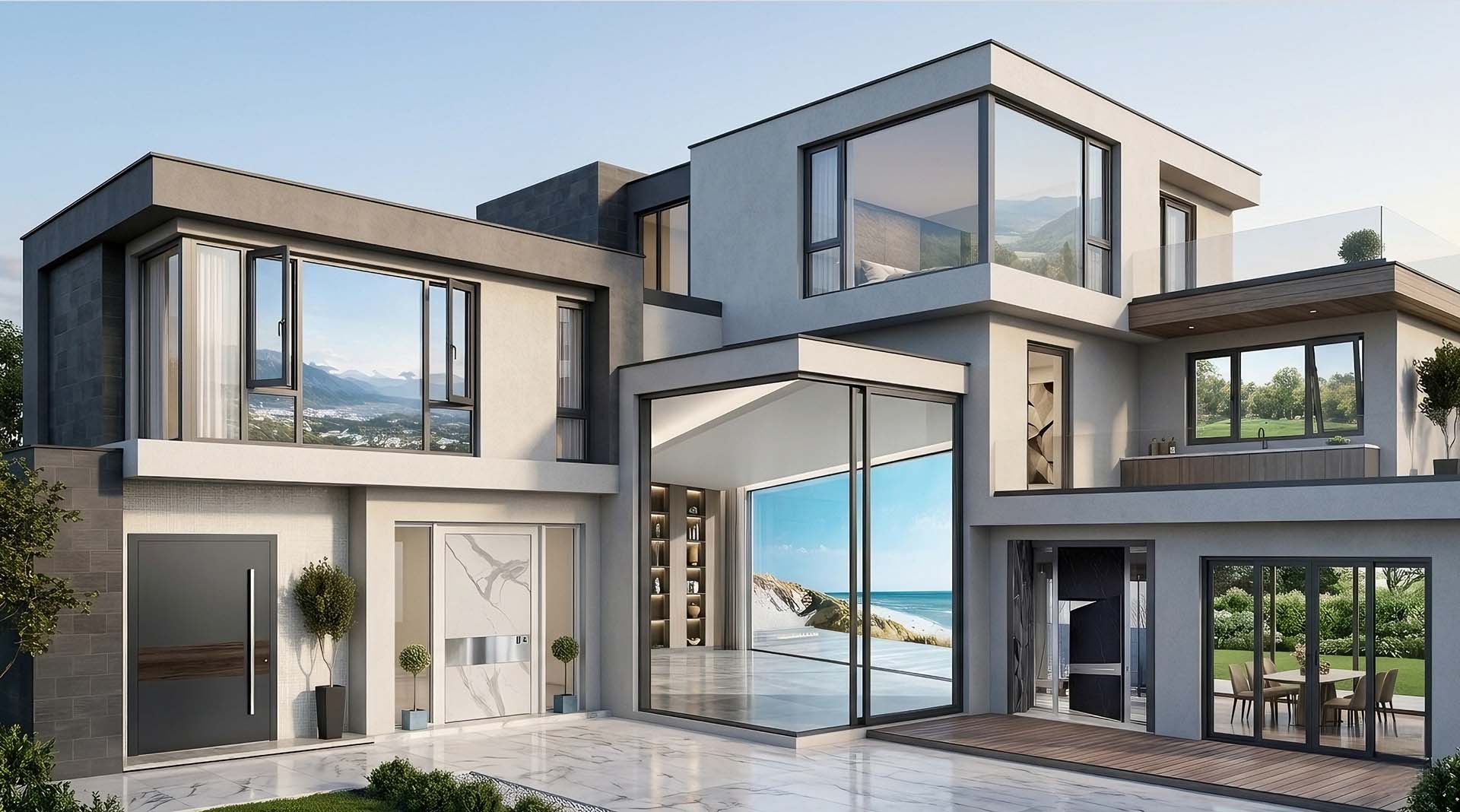
Thermal Break Aluminum Windows: The Definitive B2B Procurement & Engineering Benchmark
Explore thermal efficiency physics, Technoform PA66 polyamide barrier specs, hurricane impact compliance, and future procurement trends across global climate zones.
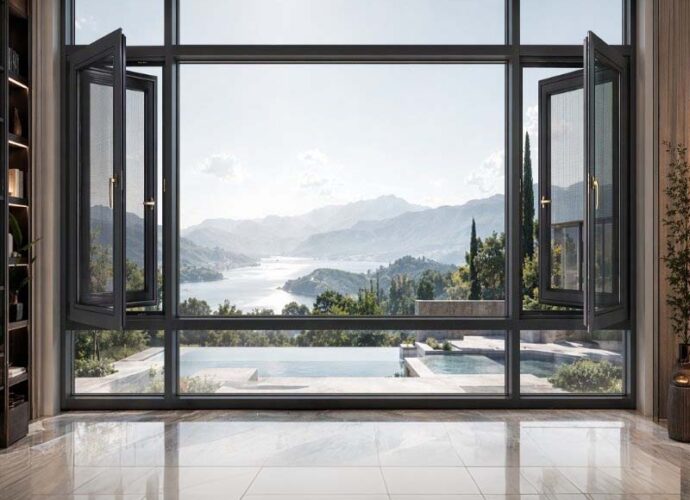
U-Factors as Low as 0.18 BTU/h·ft²·°F (1.0 W/m²K)
Engineered multi-chamber extrusions designed to pass stringent US Title 24, IECC, and European Passive House energy codes.

Structural Rigidity & Wind Pressure Compliance
Tested for high-rise deflection limits (L/175 and L/240) under extreme wind loads up to 4000 Pa.
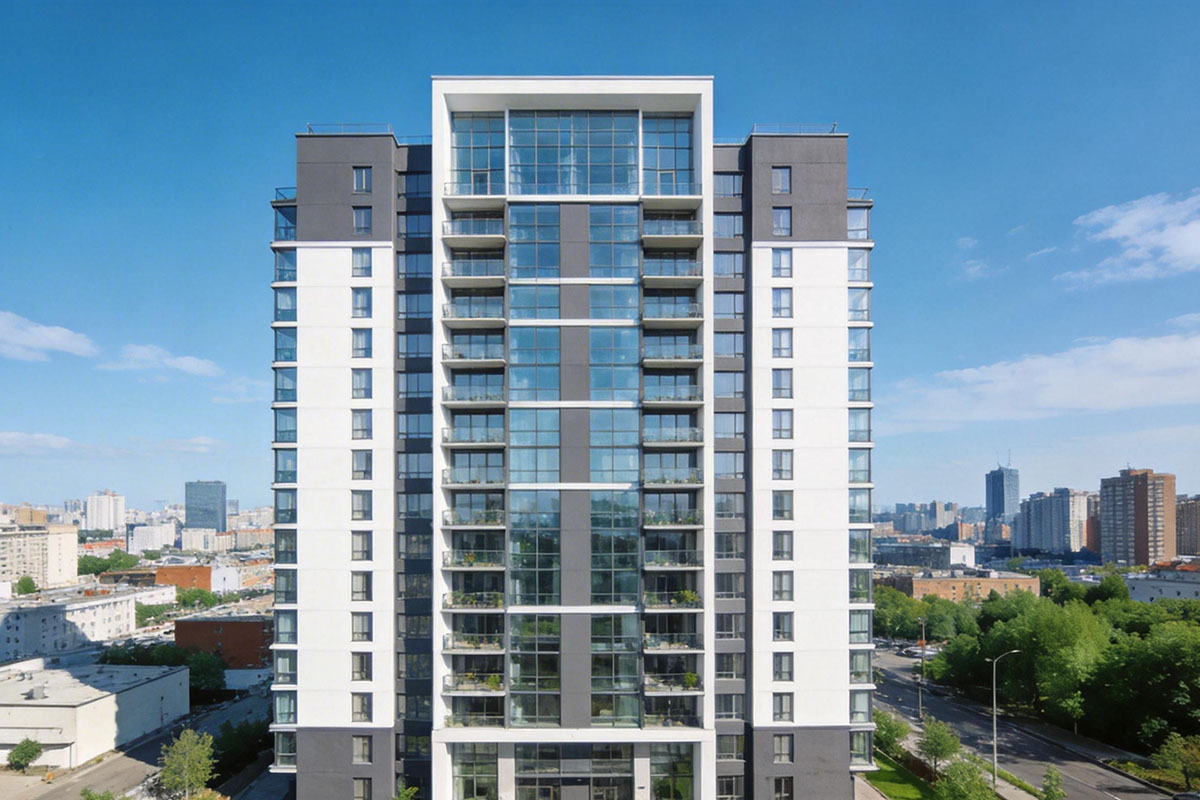
Acoustic dampening up to STC 42 dB with dual EPDM compression seals and continuous water drainage channels.
Understanding Thermal Bridging: How Thermal Break Aluminum Windows Outperform Conventional Aluminum Frames
In modern commercial architecture and residential building envelope design, high structural strength must coexist with extreme energy conservation. Standard aluminum extrusions possess an exceedingly high thermal conductivity of approximately 160 to 200 W/m·K. Without an internal insulating barrier, solid aluminum frames act as direct heat conduits—transmitting interior heat outward during freezing northern winters, and conducting intense radiant heat inside during tropical summer months. This phenomenon, known as thermal bridging, results in severe thermal inefficiency, elevated HVAC energy consumption, and destructive interior frame condensation.
Thermal Break Aluminum Windows resolve this fundamental material limitation by incorporating a precision-engineered structural thermal barrier within the aluminum extrusion profile. At Novor Front Door Technology Co., Ltd., our engineering team utilizes high-density polyamide 66 reinforced with 25% glass fiber (PA66 GF25) strips. Mechanically knurled and crimped between the exterior and interior aluminum extrusions, this continuous insulating barrier drops profile conductivity by over 500 times down to approximately 0.3 W/m·K. The resulting thermal break window system delivers the structural rigidity and weather endurance of structural aluminum while satisfying the most stringent building energy codes worldwide.
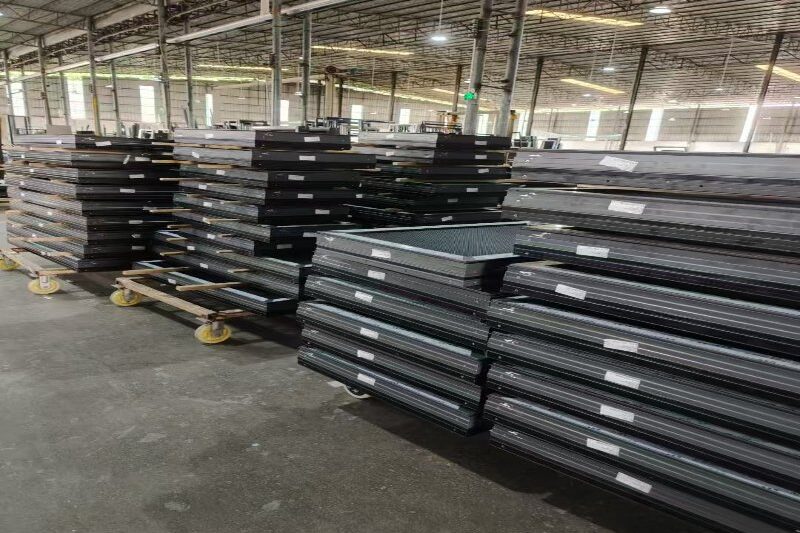
Foshan Extrusion Hub — Thermal Break Window Production
Specialized in multi-chamber aluminum profile extrusion, automated PA66 strip knurling, and precision assembly lines.
Yongkang Industrial Park — Architectural Entry & Hybrid Openings
Focusing on heavy-duty villa entrance systems, cast aluminum panels, and high-security architectural openings.
Haikou Headquarters & Global Logistics Hub
Managing structural engineering drawings, international code certifications, and export sea-freight packaging.
PA66 GF25 Polyamide Strips vs. Standard PVC Thermal Barriers
Why international building codes and architectural specifiers mandate PA66 glass-fiber reinforced polyamide for long-term structural reliability.
Linear Thermal Expansion
PA66 GF25 matches the exact thermal expansion coefficient of aluminum alloy 6063-T5. This prevents thermal shear force delamination under 50°C seasonal temperature shifts.
Transverse Tensile Strength
Reinforced with 25% short glass fibers, PA66 strips withstand immense wind pressure load cycles, resisting structural frame shear failure on high-rise commercial facades.
Heat Distortion Temperature
High thermal stability allows full powder coating and high-temperature PVDF baking ovens after strip insertion without melting, warping, or weakening the structural thermal break bond.
Critical Sourcing Evaluation: Why Cheap PVC Strips Fail in Global Commercial Procurement
When sourcing thermal break aluminum windows from China or international suppliers, B2B procurement managers often encounter quote discrepancies driven by thermal strip material selection. Low-end manufacturers frequently substitute cheap PVC (Polyvinyl Chloride) or low-grade polyethylene strips in place of authentic Technoform PA66 GF25 polyamide barriers.
The Risks of PVC Interlayers: PVC possesses a thermal expansion rate almost double that of structural extruded aluminum. Under sustained direct solar exposure, the outer aluminum skin expands rapidly while the interior frame remains cool. This severe differential expansion creates high mechanical shear stress across the crimped joint. Within 24 to 36 months, PVC strips lose mechanical tension, resulting in seal separation, air leakage, water ingress, and potential structural sash detachment under high wind pressure loads.
At Novor Front Door Technology Co., Ltd., 100% of our thermal break aluminum window series utilize certified Technoform PA66 GF25 polyamide thermal barriers. Every batch undergoes rigorous transverse tensile testing (ISO 527-2) and shear strength verification after profile rolling, ensuring a 30+ year structural lifecycle under extreme desert heat or arctic sub-zero conditions.
Engineered Thermal Break Aluminum Window Series
Explore our custom OEM/ODM window configurations, engineered to exceed North American NFRC, European CE, Canadian CSA, and Australian AS 2047 energy and structural codes.
Thermal Break Casement & Tilt-Turn Windows
Featuring 70mm - 90mm frame depths, triple EPDM continuous bulb seals, and German Siegenia multi-point locking. Achieves NFRC U-factors down to 0.20 with argon-filled triple Low-E glazing.

Heavy-Duty Thermal Break Sliding Windows
Precision stainless steel tandem rollers on heavy-gauge extruded tracks. Integrated PA66 thermal barriers reduce solar heat gain coefficient (SHGC) while maintaining ultra-slim sightlines.
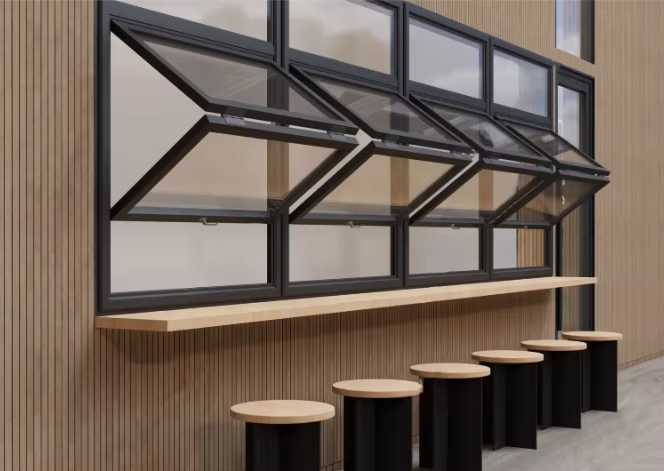
Soundproof Thermal Break Folding Windows
Multi-panel bi-fold window systems engineered for wide-span architectural openings. Delivers STC acoustic noise reduction up to 40 dB while maintaining thermal comfort across broad elevations.
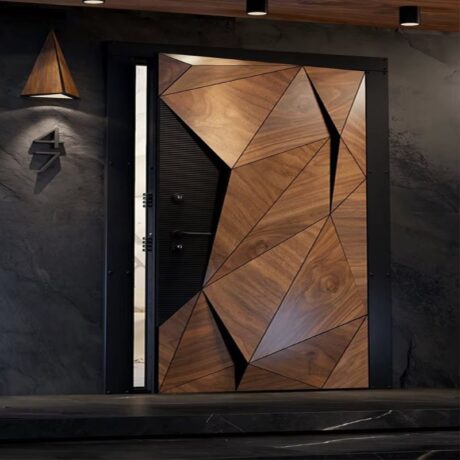
Architectural Thermal Entrance & Sidelight Systems
Hybrid thermal break window wall and door sidelight combinations. Seamlessly integrates smart access locks, insulated impact glass panels, and matching PVDF architectural finishes.
Thermal Break Window Specifications by Export Region
Novor Front Door Technology Co., Ltd. customizes glass build, frame profile depth, and thermal strip width to meet local municipal energy codes.
| Target Region | Mandatory Code Requirements | Recommended Profile Specs | Target Glazing & Thermal Performance |
|---|---|---|---|
| United States (Zones 4-7) | NFRC U-factor & SHGC certification, California Title 24 compliance, ASTM E1300 structural load rating. | 75mm Frame Depth, 24mm PA66 Strip, 6063-T5 Profile (2.0mm wall thickness). | Triple Glazed (5mm Low-E + 12Ar + 5mm + 12Ar + 5mm Low-E), U-factor ≤ 0.22 BTU/h·ft²·°F. |
| Florida Coastal & HVHZ | TAS 201 Large Missile Impact, TAS 202 Wind Load (Design Pressure ±70 PSF), TAS 203 Cyclic Pressure. | 85mm Structural Thermal Break, Heavy Reinforcing Steel Core, Impact Laminated Glass. | Insulated Impact Glass (6mm Toughened + 12Ar + 6mm Toughened w/ 1.52mm SentryGlas PVB Interlayer). |
| Canada (Cold Climate) | CSA A440 window standard, High condensation resistance factor (CRF > 70), Low air infiltration (A3 level). | 90mm Multi-Chamber Frame, 34mm Polyamide Thermal Strip with Warm-Edge Swisspacer. | Argon Gas Filled Triple Glazed Double Low-E, Overall U-factor ≤ 1.1 W/m²K (0.19 BTU). |
| European Union (EPBD / NZEB) | CE Marking (EN 14351-1), Passive House Institute standards, EN 12207 Class 4 Air Permeability. | 75mm - 88mm System, Concealed Tilt-Turn Hardware, EPDM Dual Compression Gaskets. | Double or Triple Glazed with Soft-Coat Low-E (Ug value ≤ 0.6 W/m²K), Warm-Edge Spacer. |
| Australia & New Zealand | AS 2047 Structural & Water Penetration (450 Pa - 600 Pa), WERS energy rating compliance. | 65mm - 75mm Commercial Sliding/Casement, Marine-grade PVDF surface coating. | Double Glazed (6mm Clear + 12Ar + 6mm Low-E), WERS U-value ≤ 2.8 W/m²K. |
Engineering Note: Certified NFRC and CE laboratory test reports apply to the complete window assembly (frame, polyamide barrier, glass, and spacer). Contact our engineering department for project-specific submittals and CAD window schedules.
Future Sourcing Trends for Thermal Break Aluminum Windows (2026–2030)
How evolving decarbonization mandates, smart glass technologies, and architectural trends are reshaping global window procurement strategy.
1. Near-Zero Energy Buildings (NZEB) & Passive House Dominance
Government energy regulations across North America and Europe are mandating drastic reductions in building operational carbon. Procurement demands are shifting rapidly from basic double glazing toward ultra-wide 34mm+ multi-chamber PA66 thermal breaks paired with vacuum insulated glass (VIG) or triple-pane argon units delivering U-factors below 0.15 BTU/h·ft²·°F.
2. Smart Glass & BIPV Integration
Modern architectural projects increasingly specify thermal break window frames wired to accommodate electrochromic smart tinting glass and Building-Integrated Photovoltaic (BIPV) solar glass. Profile extrusions must now feature internal wire chases and weather-sealed cable junctions without compromising thermal or water tightness barrier integrity.
3. Micro-Slim Sightlines with Structural Thermal Integrity
Architects are demanding maximum glass surface ratios with ultra-narrow visible frame profiles (under 30mm interlock sightlines). Achieving structural wind load compliance with minimal frame width requires high-tensile 6063-T6 aluminum alloys and custom-engineered structural thermal break profiles.
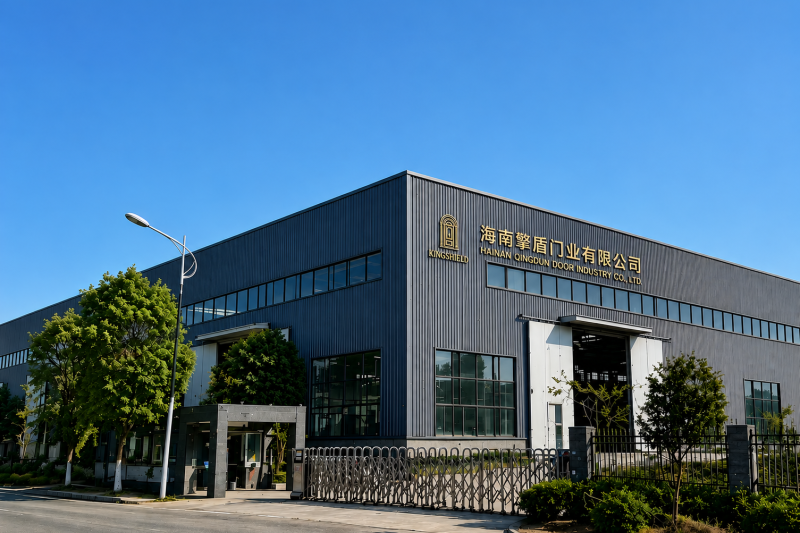
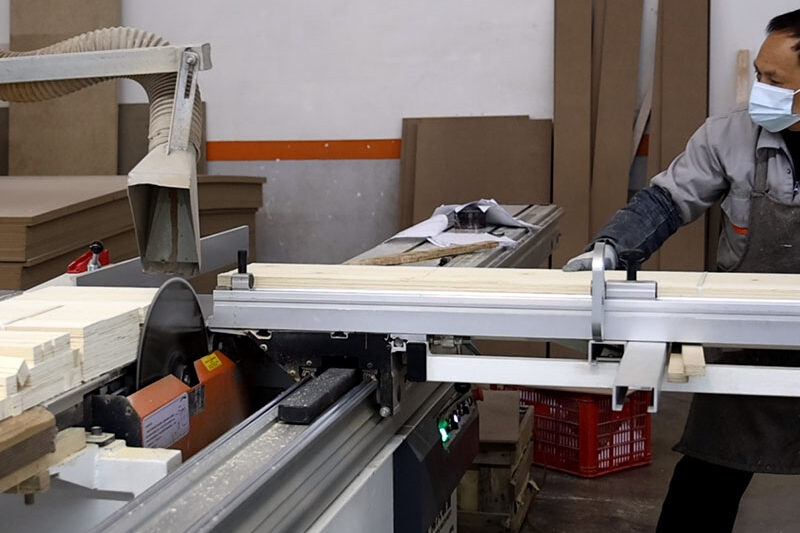


Why Global Developers Trust Novor Front Door Technology Co., Ltd.
With over two decades of dedicated manufacturing experience, Novor Front Door Technology Co., Ltd. operates as a integrated OEM/ODM solution partner for major construction companies, building material distributors, and real estate developers across North America, Europe, the Middle East, and Australia.
Our centralized quality management system guarantees that every extruded profile, polyamide thermal strip, hardware hinge, and glass seal undergoes stringent quality checks prior to export assembly.
- NFRC Certified Thermal Ratings
- CE Marking (EN 14351-1)
- Florida HVHZ Impact Compliant
- ISO 9001:2015 Quality System
- Australian AS 2047 Certified
- TÜV & BV Factory Audited
Turnkey B2B Project Engineering Support
- CAD Shop Drawing Generation
- Structural Wind Load Calculations
- Thermal Transmittance Simulations
- Jobsite Installation Technical Guides
Frequently Asked Questions by Global Window Buyers
Detailed technical answers on thermal break engineering, compliance, customization, lead times, and sea transport packaging from Novor Front Door Technology Co., Ltd.
How does a Thermal Break Aluminum Window achieve low U-values?
Thermal break aluminum windows use a non-conductive polyamide strip (such as Technoform PA66 GF25) mechanically crimped between inner and outer extruded aluminum profiles. This breaks the thermal bridge, drastically reducing heat transfer and lowering total window U-factors down to 0.18 - 0.26 BTU/h·ft²·°F (1.0 - 1.5 W/m²K) when paired with insulated Low-E double or triple glazing.
Why is PA66 GF25 polyamide preferred over cheaper PVC thermal strips in architectural projects?
PA66 GF25 (Polyamide 66 reinforced with 25% glass fiber) shares an almost identical linear coefficient of thermal expansion with extruded aluminum alloy 6063-T5. This prevents thermal shearing, profile warping, and air leakage under severe temperature differentials. Cheap PVC strips degrade under UV exposure and lack structural strength.
Which global energy and building codes do Novor Front Door Technology Co., Ltd. windows comply with?
Our window systems are tested and compliant with US NFRC energy performance ratings, Florida Building Code hurricane impact standards (TAS 201/202/203), European CE marking (EN 14351-1), Canadian CSA standards, Australian AS 2047, and ISO 9001 quality standards.
What custom OEM/ODM options are available for commercial developers and distributors?
We provide comprehensive customization including profile thickness (1.4mm to 3.0mm), thermal strip width (14.8mm to 34mm), surface finishes (PVDF coating, AkzoNobel powder coating, anodizing, wood grain sublimation), glass build (argon gas infill, laminated, Low-E coatings), and hardware (German Siegenia, Hoppe, or custom B2B private label hardware).
What is the typical production and shipping timeline for wholesale window orders?
Standard production lead time is 15 to 30 days following CAD drawing sign-off and physical sample confirmation. For multi-phase commercial projects, production is scheduled in staggered batch shipments aligned with jobsite schedules.
How are thermal break windows packed to ensure zero transit damage during sea transport?
Every window frame and sash is wrapped in protective PE scratch-resistant film, reinforced with high-density foam corner protectors, vacuum-sealed with moisture desiccant, and fully enclosed within fumigated export-grade plywood crates.
How do Novor thermal break windows accommodate North American wood-frame vs. European masonry openings?
We supply pre-engineered integral nailing fins (flange frames) for seamless installation into North American 2x4 / 2x6 timber stud walls, as well as sub-frame aluminum receptors and masonry strap anchors engineered for European concrete and brick construction.
Accelerate Your Project with Certified Thermal Break Aluminum Windows
Submit your door and window opening schedules, elevation CAD drawings, or tender specifications. Our senior engineering team will calculate thermal ratings, structural wind load performance, and provide a competitive factory-direct proposal within 24 hours.