Choosing the best Aluminum Entrance Door in 2026 requires more than comparing attractive finishes and online prices. A reliable choice must balance security, thermal performance, durability, accessibility, and installation quality. Modern aluminum systems can include thermal breaks, insulated panels, multi-point locks, concealed hinges, and low-maintenance powder coatings. However, these features differ widely between manufacturers. A heavier frame does not automatically mean better performance. Verified test results matter more.
This guide examines the details that experienced builders and homeowners often notice after installation. We will consider frame design, glazing, weather seals, threshold height, drainage, and hardware strength. Coastal homes may need finishes tested for salt exposure. Cold regions may require stronger thermal separation. Busy commercial entrances need hinges and closers rated for frequent use. Small details matter.
Ask for documentation.
Product specifications should identify air leakage, water resistance, wind performance, thermal values, and security testing. Local building requirements also deserve careful review, especially for fire access and accessible thresholds. A professional installer can reveal problems that product photos hide, such as uneven masonry or poor sill drainage. Installation is part of the door system, not an afterthought.
No Aluminum Entrance Door is perfect for every property. I have seen beautiful doors underperform because the frame was poorly aligned or the seals were compressed unevenly. That is an uncomfortable lesson, but an important one. This 2026 guide will help you compare realistic options, question vague claims, and select a door that performs well beyond its first impressive appearance.
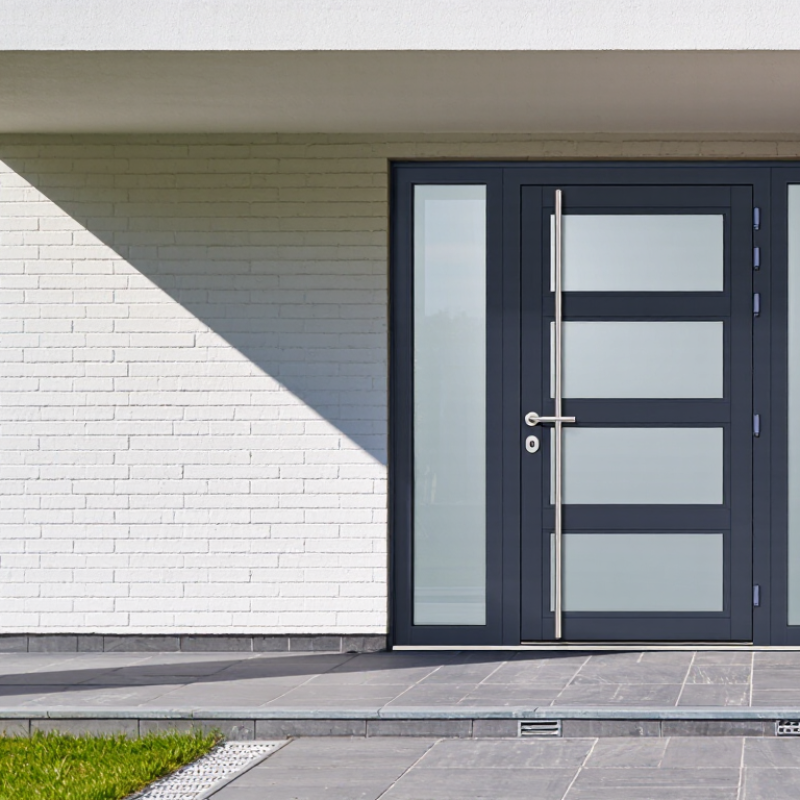
Before comparing aluminum entrance doors, define how your entrance is used. Measure the opening width, height, wall thickness, and threshold level. Consider whether the door serves a busy family, tenants, customers, or occasional visitors. A narrow hallway may need an inward swing. A sheltered porch may allow a simpler weather seal. Exposure matters. Wind-driven rain, salt air, dust, and intense sunlight affect frame finishes and hardware. Note the prevailing weather direction, too. Many buyers forget it.
Installation conditions can change the best specification. Inspect masonry, timber framing, or concrete around the opening for cracks, moisture, and movement. A strong door cannot correct a weak frame. Confirm that the sill is level and water can drain away from the interior floor. Record three width and height measurements, not one. Older openings are rarely square. Leave fitting clearance according to installer guidance, rather than guessing from online dimensions. Check delivery access, stair turns, and space for the door leaf to operate safely. Small details become expensive delays.
Choose glazing, locks, seals, and thermal performance after these facts are clear. In cold regions, a thermally broken frame and insulated panel can reduce uncomfortable drafts. In hot climates, shaded or low-solar-gain glazing may be more practical. Ask a qualified installer to verify local building and accessibility requirements. I have seen attractive doors fail because the threshold was too high. That mistake is easy to overlook. Recheck every measurement with the finished floor included.
Choosing an aluminum entrance door starts with the material, not the color. Look for corrosion-resistant aluminum with a stable alloy and a durable powder-coated finish. Recycled content can reduce environmental impact, but its quality and traceability still matter. Ask for documented specifications.
A thermal break separates the inner and outer aluminum sections, slowing heat transfer through the frame. Without it, the frame may feel cold beside the glass. Check the whole door system’s U-value, not only the panel. Lower values usually indicate better insulation. Air leakage ratings also deserve attention, especially in windy areas. A tight gasket should compress evenly around the frame.
Design affects daily use. A wide pivot door looks impressive, but heavy panels need precise hinges and strong installation. Narrow sightlines bring more daylight, though they can reduce the visual sense of privacy. In one winter inspection, a beautiful dark door showed condensation near an untreated threshold. The frame was not the only problem. Installation mattered. I would examine the sill, drainage path, weather seals, and wall connection before choosing a finish. A showroom sample cannot reveal every weakness. Ask to see performance reports and maintenance instructions. Clearance around the door should also suit furniture, luggage, and wheelchair movement.
| Door Material or System | Typical Material Specification | Recommended Design | Typical Frame Depth | Typical Door Panel Thickness | Thermal Break | Typical Whole-Door U-Value | Durability and Maintenance | Best Application |
|---|---|---|---|---|---|---|---|---|
| Non-thermal-break aluminum | Extruded aluminum profiles, commonly produced from architectural 6000-series alloys such as 6063; single continuous metal path through the frame | Simple flush panel, louvered door, or framed glazed door | 45–60 mm | 35–50 mm | None | Approximately 2.5–5.5 W/m²·K | Very good corrosion resistance when properly finished; low maintenance; higher risk of interior condensation in cold weather | Warm climates, garages, utility areas, interior vestibules, and projects where insulation is not a priority |
| Standard thermally broken aluminum | Extruded aluminum frame separated by polyamide insulating strips, typically around 20–34 mm wide | Flush slab, panel door, or glazed entrance door with single or double glazing | 60–75 mm | 44–68 mm | Polyamide thermal barrier between the exterior and interior aluminum sections | Approximately 1.2–2.0 W/m²·K | Good weather resistance and dimensional stability; powder coating or anodizing generally requires only routine cleaning | Most residential entrances and moderate climates |
| High-insulation thermally broken aluminum | Multi-chamber aluminum profiles with wider polyamide barriers, insulated rebates, gaskets, and low-conductivity panel cores | Insulated flush panel with limited glazing or high-performance double glazing | 75–90 mm | 68–100 mm | Wide polyamide thermal barrier with additional frame and sash insulation | Approximately 0.7–1.2 W/m²·K | Excellent resistance to temperature change and weather exposure; careful adjustment of seals and hinges is important | Energy-efficient homes, cold climates, and low-energy building projects |
| Aluminum entrance door with insulated opaque panel | Thermally broken aluminum frame with a multilayer panel, commonly combining aluminum skins, a rigid insulating core, and edge insulation | Modern minimalist, full-height, flush, or wood-look exterior panel | 70–90 mm | 60–100 mm | Thermal break in the frame plus insulated door panel and insulated glazing rebate | Approximately 0.7–1.4 W/m²·K | Strong privacy and good thermal performance; surface color and orientation affect solar heat gain and expansion | Main entrances requiring privacy, security, and high insulation |
| Aluminum entrance door with double glazing | Thermally broken aluminum frame with sealed insulating glass unit, usually two panes separated by a spacer | Part-glazed, sidelite-compatible, or contemporary framed-glass design | 60–80 mm | 44–76 mm | Thermal frame with insulated glazing and warm-edge spacer option | Approximately 1.0–1.8 W/m²·K | Provides daylight and visibility; glass can increase solar gain and requires regular cleaning | Residential entrances where daylight and visual openness are important |
| Aluminum entrance door with triple glazing | High-insulation thermally broken frame with three-pane sealed insulating glass unit | Large glazed panel, fixed sidelite combination, or low-energy entrance design | 75–100 mm | 70–110 mm | Wide thermal barrier, insulated glazing pocket, and warm-edge spacer | Approximately 0.7–1.2 W/m²·K | Very good insulation and acoustic potential; heavier glazing requires correctly rated hinges and hardware | Cold climates, high-performance homes, and entrances facing prevailing winds |
| Lift-and-slide or large-format aluminum door | Reinforced thermally broken aluminum profiles designed for large sashes and high operating loads | Wide glazed opening, paired panels, or multi-panel entrance connection | 70–120 mm | 50–100 mm | Thermal frame, insulated glazing, compression seals, and insulated threshold options | Approximately 1.0–2.0 W/m²·K | Requires accurate installation and periodic track and seal maintenance; larger glass areas may reduce overall insulation | Wide entrances, covered patios, and projects prioritizing opening width |
| Powder-coated aluminum finish | Aluminum substrate finished with a baked powder coating; coating quality depends on preparation, film thickness, and exposure | Any door style, including solid, glazed, paneled, and wood-effect designs | Depends on profile system | Depends on panel system | Finish does not provide the thermal break; insulation comes from the profile and panel construction | System-dependent | Wide color selection and good resistance to normal outdoor exposure; avoid abrasive cleaners and inspect damaged coating | General exterior use where color choice and low maintenance are desired |
| Anodized aluminum finish | Electrochemically formed oxide layer integrated with the aluminum surface | Contemporary, industrial, or natural-metal appearance | Depends on profile system | Depends on panel system | Finish does not replace a thermal break | System-dependent | Hard, durable surface with consistent metallic appearance; color matching and repair are more limited than with powder coating | Commercial entrances and modern architectural designs |
Selection guidance: For most 2026 residential projects, choose a thermally broken aluminum system with a frame depth of about 70–90 mm, insulated panels or low-emissivity double glazing, continuous perimeter gaskets, an insulated threshold, and a tested whole-door U-value near or below 1.4 W/m²·K. Always compare certified whole-door results rather than the U-value of the aluminum frame alone.
A secure aluminum entrance door begins with its frame, not its appearance. The 2023 FBI Crime Data Explorer recorded more than 847,000 reported burglaries in the United States. Ask for tested resistance data, not vague claims. A multi-point lock can distribute force across the frame. However, poor installation can weaken even excellent hardware. Choose cylinders with controlled key duplication and hinges protected from exterior access. ANSI/BHMA hardware grades provide a useful comparison, although grades alone do not guarantee complete door security.
Check the door’s air, water, and structural performance reports. The U.S. Department of Energy states that windows account for about 25–30% of residential heating and cooling energy use. An entrance door can create similar comfort problems when seals compress unevenly. Look for tested U-factor, air-leakage, and water-penetration results under recognized fenestration standards. Weather stripping should meet the sill without visible gaps. A raised threshold helps, but it may challenge wheelchair access.
Inspect the corners closely.
At the showroom, operate the door several times. Listen for scraping, latch hesitation, or movement in the frame. Stainless steel hardware usually suits wet or coastal conditions better than untreated metals. Still, corrosion resistance depends on fasteners, drainage, and maintenance. I would not trust a beautiful finish without a written test report. Some specifications remain incomplete, and that deserves scrutiny. Ask who performed the testing, which door size was tested, and whether installation matched your wall condition.
How to Choose the Best Aluminum Entrance Door in 2026?
Energy ratings deserve close attention when comparing aluminum entrance doors. Look for a low U-value, which indicates better resistance to heat transfer. Check the door’s whole-unit rating, not only the glass panel. Thermal breaks can reduce cold bridges through the aluminum frame. Weather seals also matter, especially around the threshold and lock side. A high-rated door can still leak air when installed poorly. That detail is easy to miss.
Maintenance should fit your local conditions and daily routine. Powder-coated aluminum usually needs only mild soap, water, and a soft cloth. Avoid harsh cleaners that may damage the finish or seals. Inspect gaskets twice yearly for cracks, flattening, or gaps. In coastal areas, salt deposits require more frequent washing. Hinges, closers, and locks may need careful adjustment over time. Small checks prevent expensive repairs.
Lifespan depends on materials, drainage, hardware, and installation quality. Ask for documented testing, performance data, and a clear warranty. A durable door should resist warping, corrosion, and repeated impact. Still, no product remains perfect forever. I would question vague claims about “lifetime” performance without test conditions. Measure the opening carefully, because stress from a poor fit can shorten service life. Replacing one seal is manageable. Replacing the whole door is not.
How to Choose the Best Aluminum Entrance Door in 2026?
Price should be compared beside performance, not alone. Request three written quotes with identical dimensions, glass options, hardware, delivery, and installation. The U.S. Department of Energy reports that windows account for about 25–30% of residential heating and cooling energy use. A glazed aluminum entrance door can influence comfort in a similar way. Check its U-factor, solar heat gain coefficient, air leakage, and visible transmittance through an NFRC label. Lower U-factors generally indicate better insulation. However, climate still matters. A specification suitable for Minnesota may feel excessive in Florida.
Warranty language deserves careful reading. Confirm coverage periods for the frame, finish, glass, locks, seals, and labor. Ask whether coastal exposure, repainting, or unauthorized modifications void coverage. Look for products tested under recognized FGIA performance standards, plus applicable safety-glazing certification. ENERGY STAR guidance also supports comparing energy performance rather than trusting vague terms like “thermal” or “premium.” Installation is equally important. Poor shimming can create a visible gap beneath the threshold. Incorrect flashing may invite water during a storm. Professional installers should provide a written scope, site measurements, permit responsibility, and adjustment service.
Tips: Compare the complete installed price. Photograph the threshold before approval. Test the lock, swing, and weather seal on site. A cheaper door may still be reasonable, but only after checking its ratings, warranty exclusions, and installer credentials. My own judgment would remain cautious here: attractive finishes can hide weak drainage details, and brochures rarely show those details.
Compare typical installed prices, warranty coverage, performance certifications, and professional installation requirements before requesting quotations.
Indicative 2026 planning ranges in USD for a standard single entrance door, including professional installation but excluding structural alterations, taxes, and regional delivery charges. Actual quotations vary by size, glazing, hardware, finish, location, and site conditions.
Compare the complete installed price, not only the door slab. Confirm whether glazing, locks, threshold, removal, disposal, and finishing are included.
Common residential coverage varies by component: approximately 5–20 years for frames and finishes, with shorter coverage often applying to hardware, seals, and glass.
Request documented air, water, structural, thermal, and forced-entry performance. Energy documentation should state U-factor and solar heat gain coefficient where applicable.
Use a qualified installer who verifies opening measurements, sill drainage, shimming, anchoring, weather sealing, operation, and final adjustment.
Choose corrosion-resistant aluminum with a stable alloy and durable powder coating. Ask for documented material specifications and recycled-content details.
A thermal break separates inner and outer aluminum sections. It slows heat transfer. The frame feels less cold near the glass.
Check the whole-door U-value, not only the glass. Review air-leakage results and water-penetration testing. Lower U-values usually mean better insulation.
Yes. A dark door once showed condensation near an untreated threshold. The design looked excellent, but installation and drainage were weak.
Look for tested resistance data, multi-point locking, protected hinges, and controlled key duplication. Hardware quality helps, but installation remains critical.
Inspect the gasket around the frame. It should compress evenly without visible gaps. Ask for air, water, and structural performance reports.
It can be, but heavy panels need precise hinges and strong installation. Check furniture clearance, luggage movement, and wheelchair access.
Clean it with mild soap, water, and a soft cloth. Inspect seals twice yearly. Coastal homes need more frequent washing.
Drainage, hardware, material quality, fitting accuracy, and installation all matter. “Lifetime” claims need test conditions. I would remain cautious.
Operate the door repeatedly. Listen for scraping or latch hesitation. Examine corners, hinges, seals, sill drainage, and frame movement. һөкүмити
Choosing the best Aluminum Entrance Door in 2026 starts with understanding your home’s entrance dimensions, architectural style, climate, traffic level, and installation conditions. Compare frame construction, panel design, glazing options, insulation, and thermal-break technology to find a door that balances appearance with comfort and energy efficiency. Consider whether the door opens inward or outward, how much natural light you want, and whether custom sizing is necessary.
Security and durability are equally important. Look for strong locking systems, reliable hinges, impact-resistant hardware, weather seals, corrosion protection, and finishes suited to local weather conditions. Before purchasing, review energy ratings, cleaning requirements, expected lifespan, warranty coverage, certifications, and the total cost of delivery and installation. Professional installation can help prevent air leakage, water intrusion, alignment problems, and premature wear. A careful comparison of performance, maintenance, long-term value, and service support will help you select an entrance door that remains secure, attractive, and efficient for years.