An Aluminum Exterior Door can bring clean lines, a sturdy feel, and low-maintenance appeal to an entryway. But choosing one involves more than comparing colors or handle styles. The right door should suit the opening, local weather, home design, and everyday use. A dark finish may look striking in a showroom, yet direct afternoon sun can make color and heat performance worth checking carefully.
Start with accurate measurements and the door’s construction. Ask whether the frame includes a thermal break, which helps reduce heat transfer, and review documented performance ratings for insulation, air leakage, and water resistance. These details matter. Glazing, weatherstripping, hinges, and locks also affect comfort and security. A beautiful slab cannot compensate for a poor fit or careless installation.
Think about maintenance, too. Aluminum generally resists rust, but finishes can scratch, and coastal air or harsh cleaning products may affect their appearance over time. Check the manufacturer’s care instructions, warranty terms, and available replacement parts before you buy. If the doorway is exposed to wind-driven rain, confirm that the complete door system—not just the panel—is suited to those conditions. This is where details get missed. Even experienced buyers can focus too much on appearance. The best choice balances performance, price, and visual appeal, while recognizing that no single door is ideal for every home. A little hesitation can be useful. Compare specifications, inspect samples in natural light, and ask an installer how the selected model will fit your existing opening.
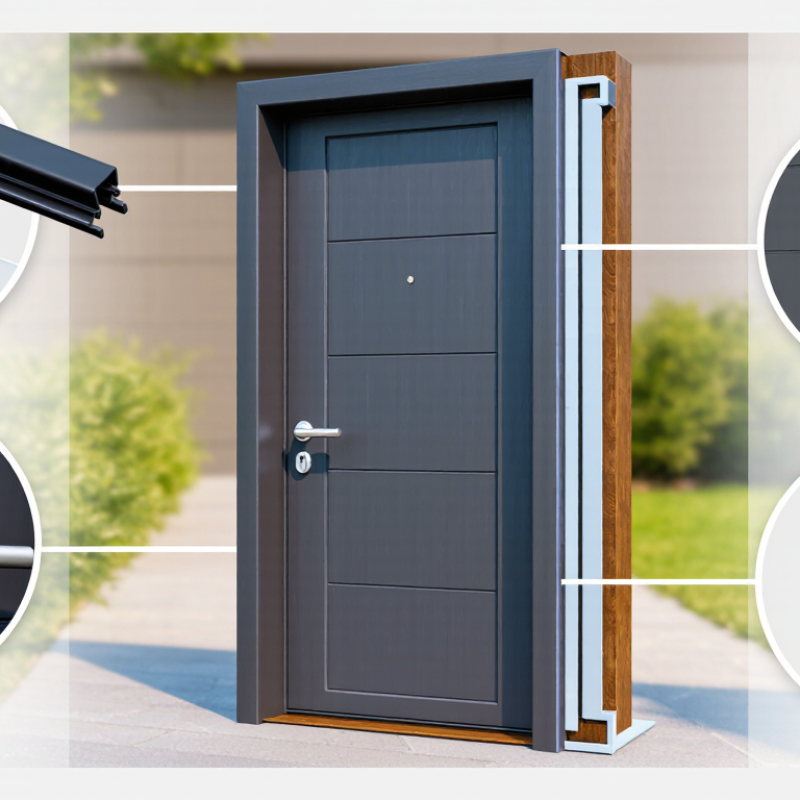
Define Your Doorway, Climate, and Security Requirements
Before choosing an aluminum exterior door, measure the opening at several points, including its width, height, and depth. Older jambs can be out of square, and a few millimeters may complicate installation. Measure twice. Decide whether the doorway needs a threshold that sheds rain, a wider clear opening, or room for a storm door. These details shape the frame, sill, and swing direction.
Climate affects comfort. The U.S. Department of Energy’s Energy Saver guidance says heating and cooling use about half of the energy in a typical U.S. home. Check the door’s NFRC-rated U-factor; lower values indicate less heat transfer. In cold or changeable climates, also ask about thermal breaks, insulated cores, weather seals, and water-management details. Small gaps matter. I would not judge insulation by the door’s appearance alone.
Security depends on the whole assembly, not just the slab. Ask for test documentation covering the frame, hinges, glazing, and lock hardware. For structural performance, look for applicable testing such as ASTM E330; for hardware, confirm the deadbolt and strike are suitable for the door’s construction. A strong lock can still disappoint if its screws anchor only into thin trim. Think about daily use, too: who carries groceries through this doorway, and can they operate the lock easily? A precise fit helps, but it is not a substitute for careful installation.
How to Choose an Aluminum Exterior Door - Define Your Doorway, Climate, and Security Requirements
| Decision Area | What to Check | Practical Guidance |
|---|---|---|
| Doorway dimensions | Opening width and height, wall depth, frame dimensions, and available clearance. | Measure the opening at several points and follow the chosen door system’s measurement instructions. Confirm whether dimensions refer to the door slab, frame, or rough opening before ordering. |
| Door configuration | Single or double door, sliding or hinged operation, handing, and swing direction. | Choose an operation that fits the available interior and exterior space. Check local egress requirements where the door serves an exit, and confirm handing from the specified viewing side. |
| Threshold and access | Threshold height, floor transitions, drainage, and accessibility needs. | Coordinate threshold details with the finished floor and exterior paving. A lower threshold can improve access, but it still needs a compatible water-management and weather-sealing design. |
| Thermal performance | Whether the frame has a thermal break, plus the door’s documented U-factor. | Aluminum conducts heat readily; a thermal break separates interior and exterior frame sections to reduce heat transfer. Compare tested or certified whole-door ratings where available. A lower U-factor indicates less heat transfer. |
| Glass and solar exposure | Glazing area, orientation, visible-light needs, and the glass’s U-factor and solar heat gain coefficient (SHGC). | Use documented glazing ratings to compare options. Lower SHGC limits solar heat gain, which can help in cooling-dominated conditions; the best choice depends on climate, orientation, shading, and heating needs. |
| Rain, wind, and air leakage | Tested water-penetration, structural-pressure, and air-leakage performance for the complete door assembly. | Match the product’s tested performance to local exposure and applicable building-code requirements. Installation, flashing, seals, and drainage are also essential to weather resistance. |
| Cold, hot, or humid climate | Temperature extremes, condensation risk, intense sun, and local energy-code requirements. | Compare relevant whole-door ratings and follow code requirements for the project location. In humid or temperature-variable conditions, good air sealing and careful installation help limit drafts and moisture problems. |
| Coastal or corrosive exposure | Salt spray, frequent moisture, and the corrosion resistance of the finish, fasteners, and hardware. | Ask for suitability information for the exposure and follow the specified cleaning and maintenance instructions. Corrosion resistance can vary between finishes, components, and installation environments. |
| Security and hardware | Lock type, deadbolt compatibility, strike and frame reinforcement, hinge security, and glazing location. | Look for hardware and frame details designed to work together. A stronger lock alone does not establish the security of the complete assembly; installation and the surrounding frame also matter. |
| Glazing security | Whether the glass is near locks or within reach, and whether a tested security-glazing option is needed. | Laminated glass can retain many fragments when broken, while tempered glass is designed to break into smaller pieces. These properties differ; neither label alone guarantees resistance to forced entry. |
| Severe-weather requirements | Local requirements for wind pressure, impact protection, or other hazard-specific testing. | In locations subject to hurricanes or other severe weather, verify the applicable local code and the product’s documented assembly rating. Requirements vary by jurisdiction and exposure. |
| Finish and maintenance | Color and finish suitability, cleaning guidance, seal condition, and hardware upkeep. | Choose a finish appropriate for the site’s sun and moisture exposure. Inspect weatherstripping, drainage paths, fasteners, and hardware periodically, and use care products compatible with the specified finish. |
FAQS
Standard frames conduct heat readily and can feel cold indoors during winter. Thermally broken frames add an insulating barrier. Glazing and seals still matter.
Anodized finishes have a metallic appearance. Powder-coated finishes offer more colors and textures. Dark surfaces may show dust or scratches. No finish is maintenance-free.
Slim profiles can admit more daylight, but they leave less room for reinforcement. Ask for frame-section drawings before deciding.
Full-glass panels can brighten an entry. Consider privacy, afternoon sun, divided lites, sidelights, and handle style. I once focused too much on color.
Record width, height, and wall depth. Measure width and height at the top, middle, and bottom. Uneven readings can reveal an out-of-square opening.
Check available U-factor and air-leakage ratings. Confirm that any certification covers the door’s actual configuration. Compare complete systems, not one sample corner.
Review written coverage for the finish, hardware, glass, and labor. Check exclusions for coastal exposure, maintenance, and installation by others. Read the fine print.
A poor sill pan, flashing, or perimeter seal can cause leaks. Get the installation method in writing and clarify who handles each step.
Confirm swing direction, threshold height, and clearance near steps. Photograph each measurement beside the tape measure. Keep those photos with your quote. A small mistake can become a daily annoyance.
Conclusion
Choosing an Aluminum Exterior Door starts with understanding the doorway’s dimensions, the local climate, and the level of security and privacy you need. Consider how different frame constructions, finishes, colors, and design features will suit your home and withstand sun, rain, wind, or temperature changes. Compare thermal performance, weather seals, and hardware, since these details affect comfort, energy efficiency, operation, and resistance to drafts and moisture.
Before purchasing, confirm the opening measurements and review relevant certifications, warranty coverage, and installation requirements. A properly fitted door is essential for dependable performance, so determine whether professional installation is appropriate for your project. Finally, consider routine cleaning and maintenance, along with the expected durability of the frame, finish, seals, and hardware. Weighing these factors together can help you choose a door that looks right, functions reliably, and remains practical over time.
