Choosing the right Aluminum Entry Door is more than comparing finishes and prices. It affects security, energy use, weather resistance, and daily comfort. A well-made door should open smoothly, seal tightly, and remain stable through changing seasons. It should also match the building’s structure, entrance width, and design character.
I have seen attractive doors fail because buyers ignored the frame, threshold, or installation quality. Small details matter. A weak seal can admit wind-driven rain. Poor hardware can create problems within a few months. This guide shares seven practical tips for evaluating materials, thermal performance, security features, glass options, maintenance needs, installation methods, and long-term value. Each point reflects common recommendations from experienced installers and reputable manufacturers.
No door is perfect.
Even premium aluminum can show scratches, finish changes, or alignment issues if handled poorly. Product claims also need careful checking. Look for documented performance data, clear warranties, tested locking systems, and dependable after-sales support. Local climate conditions matter too. A coastal home may need stronger corrosion protection, while a cold region may require a thermally broken frame. Some choices seem minor, yet they influence comfort every day. Take measurements twice. Ask direct questions. A thoughtful decision may cost slightly more initially, but it can prevent drafts, repairs, and premature replacement later.
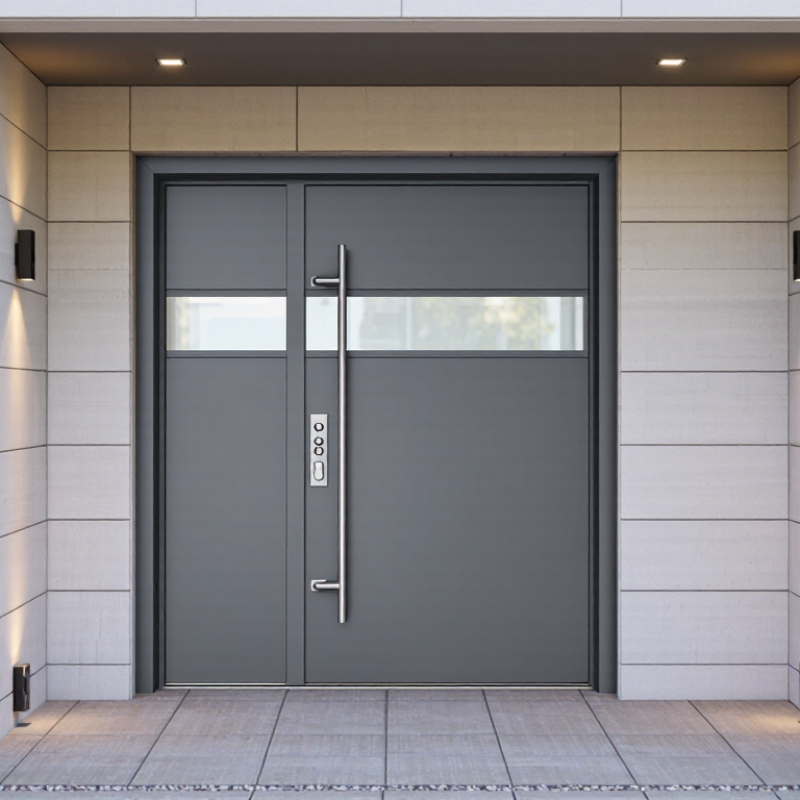
Define Your Entryway Needs and Door Performance Goals
Choosing an aluminum entry door starts with your entryway needs, not its finish. Measure the rough opening, wall depth, threshold height, and available swing space. Note daily traffic, package delivery, pets, and mobility needs. A narrow hallway may need an outswing door. Wet climates need a raised, slip-resistant threshold.
Set performance goals before comparing styles. The U.S. Department of Energy reports that air leakage can account for 5–30% of a home’s heating energy use. Therefore, ask for tested air-leakage results, weatherstripping details, and a continuous thermal break. NFRC rating labels help compare U-factor, solar heat gain coefficient, and visible transmittance. Lower U-factor generally means better insulation. However, the ideal value depends on climate and glass area.
Security and durability also require specific targets. Request evidence of water penetration, structural pressure, and forced-entry testing under applicable industry standards. A heavy door is not automatically safer. Frame anchoring matters. So does hinge reinforcement. In coastal areas, confirm corrosion resistance for salt exposure. In high-wind regions, check the required design pressure for your building site. FGIA performance standards provide useful testing frameworks, but installation can weaken excellent products. I have seen small threshold gaps cause noticeable drafts. That detail is easy to miss. Allow space for adjustment, especially in older masonry openings, where “square” is often only approximate.
7 Tips for Choosing the Best Aluminum Entry Door - Define Your Entryway Needs and Door Performance Goals
| Tip | Entryway Need to Define | Recommended Performance Goal | What to Check Before Purchase | Priority |
|---|---|---|---|---|
| 1. Match the Door Size and Swing | Available rough opening, clear passage, handing, and interior or exterior swing direction. | Use verified rough-opening measurements and provide sufficient clear width for furniture, occupants, and accessibility needs. | Measure width, height, jamb depth, sill height, plumb, level, and squareness. Confirm local egress and accessibility requirements. | High |
| 2. Set a Thermal-Comfort Target | Climate zone, indoor comfort, heating and cooling costs, and exposure to direct sun or cold winds. | Choose a thermally broken aluminum frame, insulated door panel, continuous weatherstripping, and a low U-factor suitable for the local climate. | Review the complete door assembly’s tested U-factor rather than judging performance from the frame material alone. Check for a thermal break and insulated threshold. | High |
| 3. Control Air Leakage and Water Entry | Wind exposure, rainfall, sheltered or unsheltered location, and the risk of drafts or threshold leakage. | Select a door with documented air-infiltration, water-penetration, and structural-performance test results for the intended exposure. | Look for compression gaskets, a properly sealed sill, sill pan or drainage provisions, and installation instructions that address flashing and weep paths. | High |
| 4. Choose Glazing for Light and Solar Control | Desired daylight, privacy, views, glare control, and solar heat exposure. | Use insulated glazing where appropriate; select visible transmittance for daylight and solar heat-gain performance according to climate and orientation. | Review glass U-factor, solar heat gain coefficient, visible transmittance, safety-glazing requirements, and condensation resistance where available. | Medium |
| 5. Prioritize Security and Safe Operation | Neighborhood risk, visibility from the street, family safety, and everyday locking frequency. | Use a rigid frame, reinforced lock area, strong hinges, a properly anchored strike, and a locking system appropriate to the door size and use. | Check lock and hinge reinforcement, cylinder quality, door alignment, impact-resistant options where needed, and whether the installation preserves the manufacturer’s security design. | High |
| 6. Plan for Durability and Maintenance | Coastal salt, moisture, temperature changes, heavy traffic, and preferred cleaning frequency. | Choose corrosion-resistant finishes, replaceable seals, durable hardware, and a drainage design that limits standing water. | Confirm finish-care instructions, corrosion-resistance information, hardware adjustment procedures, replacement-part availability, and warranty coverage. | Medium |
| 7. Balance Appearance, Budget, and Installation Quality | Architectural style, color, panel or glass layout, total project budget, and installer capability. | Compare the complete installed cost, including preparation, flashing, trim, hardware, disposal, and future maintenance—not only the door price. | Request written specifications, verified test ratings, finish details, installation scope, lead time, and clear warranty responsibilities. | High |
FAQS
Measure the rough opening, wall depth, threshold height, and swing space. Check the hallway and nearby walls.
Ask for tested air-leakage results and details about weatherstripping and the thermal break. Compare U-factor ratings. Lower is generally better, but climate and glass area matter.
Look for water-penetration and structural-pressure test results. In coastal areas, check corrosion resistance. Confirm the required design pressure for your site.
Not automatically. Ask about forced-entry testing, frame anchoring, and reinforced hinges. Installation matters too.
Ask for separate costs for the frame, glass, hardware, installation, and finishing. Similar-looking doors may have different specifications.
Review coverage periods for labor, finish, glass, and hardware. Ask how to report problems and what records to keep. Get the answer in writing.
Consider upkeep, comfort, and likely repair costs. Afternoon sun, rain, and busy household traffic can affect finish and hardware choices.
Only if specifications and installation quality are comparable. Missing features may cost more later. Take a day to reconsider; I sometimes overlook small details.
Conclusion
Choosing the right Aluminum Entry Door begins with understanding your entryway, climate, daily use, and desired level of comfort and protection. Compare aluminum grades and finishes for durability, appearance, and resistance to moisture, sun, and temperature changes. Consider insulation performance alongside security features, such as sturdy locking systems, and check that hinges, handles, and other hardware are built for frequent use.
Before deciding, confirm the opening’s measurements and choose a configuration that suits the space and how you use the entrance. Factor in professional installation, routine cleaning, and any maintenance needed to preserve the finish and operation. Finally, compare the full purchase and installation costs with the warranty coverage and expected lifespan. A door that balances performance, fit, and long-term value can provide dependable service while complementing your home’s exterior.
