Architectural Luxury Villa Entrance Systems
Engineered for high-end residential estates, coastal mansions, and luxury commercial developments. Every system is built to comply with international structural, hurricane impact, and thermal ratings.
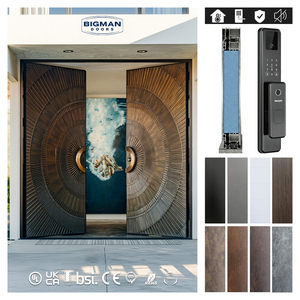
Australia Modern Carving Circular Radiating Design Double Exterior Villa Main Entrance Aluminum Security Door
Custom CNC precision-carved solid aluminum plate with multi-point security locking, UV-resistant PVDF finish, and tropical storm wind pressure certification.
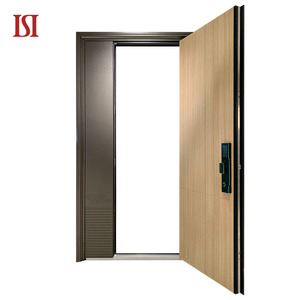
Top Brand Front Door Lock Apartment Wooden Fire Door Residential Aluminium Front Entrance Doors
Hybrid thermal-break aluminium frame integrated with engineered acoustic fire-rated core, smart biometric access, and multi-seal weatherstripping.
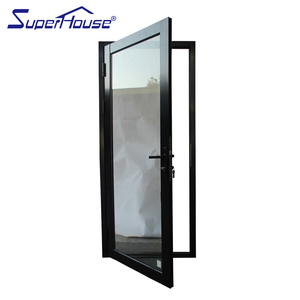
Miami NOA Approved Modern Hurricane Proof Impact Resistance Triple Glazed Aluminum Alloy Hinged Patio Door With Finished Surface
Florida High-Velocity Hurricane Zone (HVHZ) certified. Laminated impact glass, heavy-duty 6063-T6 aluminum extrusion, and continuous water-seal sills.
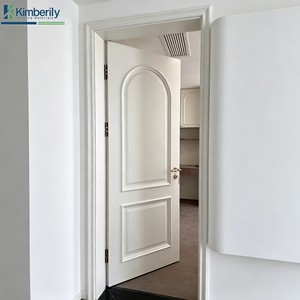
European Standard French Design Thermal Break Aluminum Alloy Casement Door For Outdoor Villa Apartment And Warehouse
Polyamide PA66GF25 thermal insulation bridge, concealed European hinges, Low-E double/triple glazing, achieving ultra-low U-values under 1.2 W/m²K.
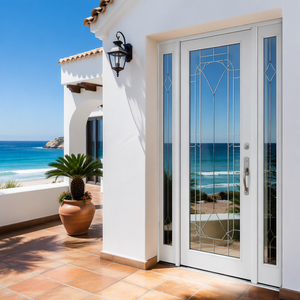
Mediterranean Style White Aluminum Glass Entrance Door Elegant Decorative Lattice Security Entry Door for Seaside Villa
Marine-grade anodized surface treatment engineered to withstand saline atmosphere, coupled with decorative reinforced internal aluminum lattice bars.
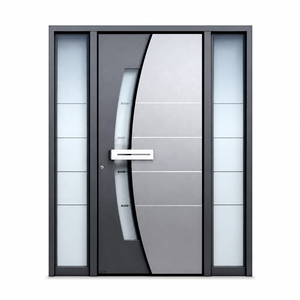
Modern Aluminum Security Entry Door System Multi-Point Locking Exterior Front Entrance Door With Privacy Sidelights Graphite
Minimalist graphite architectural profile, 5-point motorized latching mechanism, integrated frosted privacy glass sidelights with thermal break technology.
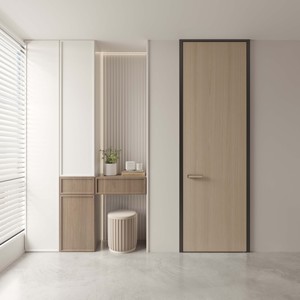
Modern Design High-Performance Aluminum-Wooden Interior Doors with Elegant Honeycomb Panels Superior Insulation
Acoustically isolated interior door system utilizing aluminum edge protection, high-density aluminum honeycomb core filling, and natural timber veneer coating.
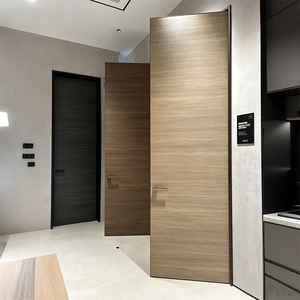
Foshan Manufacturer Modern Interior Aluminum Wooden Frame Swing Door Custom Solution For Residential Room
Precision-manufactured in Foshan industrial hub. Zero-formaldehyde composite aluminum-wood hybrid structure with magnetic silent latch systems.
Navigating the Global Procurement Ecosystem for Luxury Villa Entry Systems
In contemporary high-end residential architecture, the grand entrance door serves as the definitive transition point between external structural engineering and luxury interior aesthetics. Over the past decade, the global procurement model for luxury villa doors has undergone a fundamental structural shift. International real estate developers, custom home builders, and architectural procurement agencies increasingly rely on China's high-precision manufacturing clusters to source custom, code-compliant, and high-security villa door systems.
As leading China luxury villa door exporters, manufacturers have evolved far beyond mass-market OEM casting. Today’s premier factories operate at the intersection of metallurgy, thermal dynamics, structural engineering, and digital home integration. Sourcing luxury villa entrance doors directly from established Chinese export hub leaders offers global buyers an unmatched competitive advantage: access to custom aerospace-grade alloys, complex architectural powder coatings, and European-standard hardware configurations at a structural cost-efficiency ratio unachievable through traditional Western regional fabricators.
Key Strategic Takeaway for B2B Importers: Sourcing high-specification villa doors from China is no longer merely a cost-reduction strategy. It is an engineering optimization play. Leading Chinese manufacturers deliver certified structural resilience—including NFRC thermal performance, CE marking, AS2047 compliance, and Miami-Dade NOA hurricane ratings—tailored precisely to regional building codes.
Material Science Breakthroughs: Cast Aluminum A356 vs. Extruded 6063-T6 Systems
A critical consideration when specifying luxury villa entrance doors is selecting the optimal metallurgic structure based on environmental exposure and aesthetic intent. Leading Chinese export manufacturers utilize two primary material paradigms:
1. Solid Cast Aluminum (A356 Alloy): Cast aluminum doors represent the pinnacle of structural opacity, anti-theft security, and monumental design. Utilizing high-purity A356 aluminum alloy melted at 700°C and poured into vacuum-assisted molds, these doors form monolithic panels without weld seams. Featuring panel thicknesses ranging from 8mm to 15mm solid cast faceplates, cast aluminum entry doors provide permanent immunity to rust, oxidation, and structural warping—making them the ideal choice for high-salinity coastal environments and extreme desert climates in the Middle East and North Africa.
2. Extruded Architectural Thermal-Break Aluminum (6063-T6): For contemporary minimalist designs demanding floor-to-ceiling glass integration, oversized pivot mechanisms, and slim sightlines, extruded 6063-T6 aluminum alloys are preferred. By incorporating Polyamide PA66GF25 (25% glass fiber reinforced) thermal-break insulation strips, these systems isolate external ambient temperatures from interior spaces, completely preventing condensation and mitigating thermal bridging.
RC3/RC4 Security Class
Integrated 5-point to 9-point gear-driven hook latch mechanisms, anti-drill manganese steel plates, and hidden heavy-duty 3D adjustable 304 stainless steel hinges.
Passive House Insulation
Multi-cavity thermal break profiles filled with polyurethane foam inserts, double-channel EPDM weather gaskets, achieving U-factors as low as 0.85 W/m²K.
Florida HVHZ Approved
Tested against extreme missile impact and cyclic wind pressures up to +/- 90 PSF, fully certified under Miami-Dade NOA standards for hurricane-prone zones.
PVDF Fluorocarbon Finishes
Triple-bake 70% Kynar 500 resin coatings providing 30-year resistance against chalking, salt spray degradation, color fading, and intense solar UV exposure.
Smart Home Integration
Concealed wiring pathways for motorized automatic locks, biometric facial recognition scanners, RFID cards, and remote smartphone control protocols.
BIM Level 2 Shop Drawings
Full technical rendering support including Revit, CAD floor attachment details, cross-sectional wall anchors, and exact structural dimensioning prior to production.
Technical Specification Matrix & Performance Standards
To assist global procurement managers and structural engineering consultants in validating door performance for their specific geographical jurisdictions, the matrix below details the engineering baselines adhered to by top-tier Chinese villa door exporters:
| Engineering Metric | Cast Aluminum Entry Systems | Thermal Break Aluminum Pivot Systems | Testing Standard / Target Certification |
|---|---|---|---|
| Structural Alloy Grade | A356 Die-Cast Aluminum | 6063-T6 Extruded Alloy | ASTM B221 / GB/T 5237 |
| Thermal Transmittance (U-Value) | 1.4 - 1.8 W/m²K | 0.85 - 1.2 W/m²K | NFRC 100/200 / EN ISO 10077 |
| Acoustic Insulation (STC / Rw) | STC 42 dB / Rw 44 dB | STC 38 dB / Rw 40 dB | ASTM E90 / EN ISO 140-3 |
| Burglar Resistance Class | European Class RC4 / PAS 24 | European Class RC3 | EN 1627-1630 |
| Wind Load Resistance | up to 5.0 kPa (HVHZ Rated) | up to 3.5 kPa | TAS 202 / AS 2047 |
| Surface Treatment | Fluorocarbon PVDF (3-Coat) | Qualicoat Class 2 Powder / Anodized | AAMA 2605 / ISO 2360 |
Future Procurement & Product Development Trends (2026–2030)
As global real estate design shifts toward decarbonization, extreme climate resiliency, and smart automation, exporters in China are leading key innovations in entry door technology.
1. Oversized Structural Pivot Doors with Concealed Hydraulics
Architectural demand for dramatic, oversized front entry statements has triggered a rapid evolution in pivot hinge engineering. Traditional butt-hinge swing doors face structural deflection and sag when panel widths exceed 1.5 meters or weights surpass 300 kilograms. Future procurement trends indicate a dominant shift toward heavy-duty bottom-pivot floor boxes capable of supporting door panels up to 6 meters in height and 800 kilograms in mass. Modern Chinese exporters now supply pre-engineered pivot systems with built-in adjustable hydraulic dampeners, 90-degree hold-open functions, and soft-closing mechanisms engineered for decades of smooth operation.
2. Triple Low-E Vacuum Glazing Integration & Thermal Decarbonization
With international energy efficiency codes (such as California Title 24, Germany's GEG, and Australia's NCC) continuously lowering maximum allowable U-factors, luxury entry door design must integrate advanced thermal break fenestration. Sidelight and panel-integrated glass units are transitioning from standard double pane setups to triple-glazed units filled with 90%+ Argon gas, featuring double Low-E soft coatings and warm-edge spacer bars. Leading Chinese exporters are now pioneering Vacuum Insulated Glass (VIG) cores within solid door leaves, achieving insulation ratings comparable to solid insulated walls while retaining super-slim panel profiles.
3. Biometric Ecosystems & Motorized Multi-Latch Systems
The traditional mechanical key lock is being rapidly phased out in the high-end residential market. Modern luxury doors exported from China are engineered from the factory with internal raceways designed to house concealed motorized multi-point lock bodies (such as German Winkhaus or custom proprietary smart locking engines). These systems interface seamlessly with home automation protocols (KNX, Control4, Apple HomeKit) and support 3D structured-light facial recognition, hidden capacitive fingerprint sensors, and encrypted mobile Bluetooth credentials.
4. Salt-Spray Immunity for Coastal Megaprojects
With luxury villa construction expanding aggressively in coastal areas—including Florida, the Caribbean, the Arabian Gulf, and Southeast Asia—corrosion protection has become a core quality metric. Procuring organizations now mandate 3,000+ hour neutral salt spray (NSS) testing for exposed hardware and aluminum finishes. Exporters in Guangdong and Zhejiang industrial hubs are adopting chromate-free pre-treatments combined with marine-grade PVDF coatings, guaranteeing zero oxidation and structural integrity even in harsh saline microclimates.
Integrated Tri-Factory Production & Export Infrastructure
Consolidating technical expertise across China's primary hardware and door manufacturing clusters to ensure short lead times, precise execution, and end-to-end quality control.
Yongkang Plant (Zhejiang)
Cast Aluminum & Villa Entrance Hub: Spanning specialized casting foundries, heavy CNC milling centers, and hand-carving finishing bays for luxury villa double doors and solid cast entry gates.
Foshan Plant (Guangdong)
Thermal Break Aluminum & Hardware Hub: Situated in China's premier aluminum profile cluster. Dedicated to high-precision aluminum extrusions, European casement systems, sliding doors, and structural pivot doors.
Haikou Headquarter & Export Center
Engineering, Logistics & Fire Door Facility: Central project management office directing international compliance documentation, BIM/CAD shop drawings, steel security systems, and commercial fire door lines.
End-to-End Export Logistics & Structural Packaging Protocol
A primary failure point in overseas fenestration procurement is transit damage caused by improper ocean freight packaging. To eliminate glass breakage, frame scratches, or moisture exposure during transit, a rigorous 5-layer export packaging protocol is enforced:
- Layer 1 (Surface Protection): Self-adhesive PE protective film applied directly to finished aluminum profiles and cast panels to prevent micro-abrasions.
- Layer 2 (Impact Absorption): High-density EPE foam corner guards and full-edge wrap to cushion structural frame perimeters.
- Layer 3 (Moisture Barrier): Sealed plastic stretch-wrap membrane safeguarding hardware lock boxes and internal timber elements from sea humidity.
- Layer 4 (Structural Shell): Heavy-duty 5-ply corrugated cardboard outer shell covering all flat faces.
- Layer 5 (Transit Crate): Fully enclosed ISPM 15 compliant fumigated plywood crates with internal foam blocking, engineered for safe forklift handling and sea container loading.
Frequently Asked Questions for International B2B Buyers
Direct technical answers regarding compliance, lead times, custom shop drawings, and shipping logistics.