High-Performance Commercial Doors & Hardware Systems
Explore our export-ready door solutions engineered for safety compliance, structural integrity, and architectural aesthetic demands worldwide.
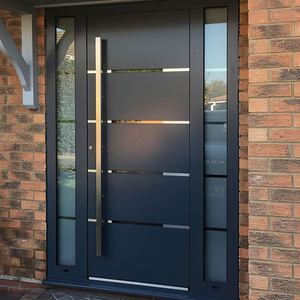
Modern Luxury Aluminum Pivot Front Entrance Door With Smart Lock Security Exterior Entry Door For Villa Hotel
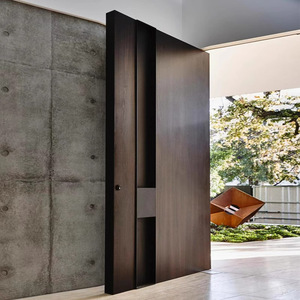
High Security Exterior Main Entrance Doors Customized Made Model Wooden & Aluminum Pivot Front Entry Door
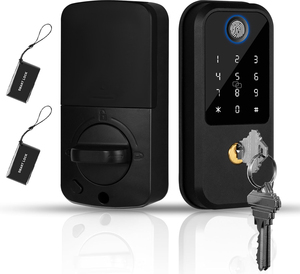
Smart Door Lock Keyless Smart Door Lock Fingerprint Deadbolt Automatic Digital Password Smart Keypad Door Lock
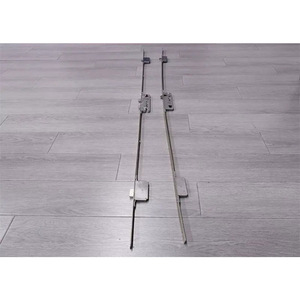
Iron Multi Point Linkage Long Lock Body Vertical Extension Security 3 Point Mortise Lock For Household Entry Anti Theft Door
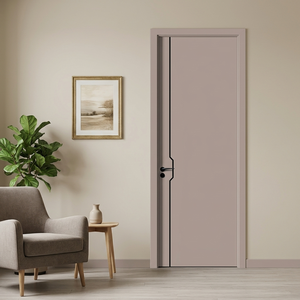
Premium Aluminum Interior Door Aluminum Alloy Door Rust-proof Lightweight Use in School Dormitory Laboratory Kitchen
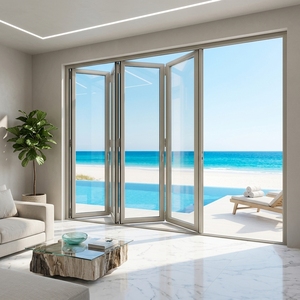
Factory Customized Modern Interior Bi-fold Outdoor Balcony Frameless Glass Doors for Hotels Panoramic Indoor Sliding Accordion
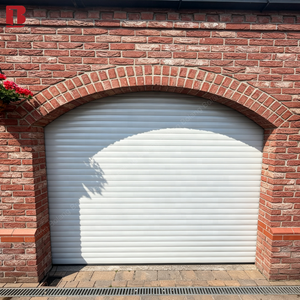
Bolang Insulated Roll up Garage Door Aluminum Rolling Door Exterior Noise Reduction Corrosion Resistant Roller Shutter Door
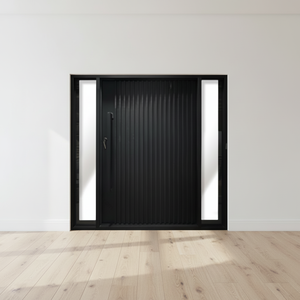
Modern Wrought Iron Glass Interior Pivot Door Rotating Pivot Design for Apartments Villas Living Rooms Halls Entry Exterior Use
Strategic B2B Sourcing Guide for Panic Hardware Door Assemblies
Understanding life-safety codes, structural metallurgy, hardware cycle endurance, and emergency egress dynamics when procuring from China.
In modern commercial architecture, educational facilities, healthcare institutions, and high-occupancy public venues, emergency egress systems serve as the single most critical structural life-safety barrier. Sourcing code-compliant panic exit hardware and fire-rated door assemblies directly from China manufacturers has transformed from a simple cost-reduction tactic into a strategic supply chain optimization strategy. However, procuring panic hardware door systems requires navigating stringent international life safety standards, fire containment protocols, and architectural engineering tolerances.
As a global leader in architectural door manufacturing, Novor Front Door Technology Co., Ltd. operates at the intersection of heavy-duty metallurgical craft and certified emergency hardware integration. This technical procurement whitepaper breaks down the exact standards, hardware mechanics, and manufacturing methodologies required to specify and import commercial panic hardware assemblies that comply with global building codes.
1. The Regulatory Landscape: UL 305, EN 1125, and BHMA/ANSI A156.3 Standards
Panic hardware (commonly referred to as crash bars, touch bars, or panic exit devices) must operate under extreme physical pressure without mechanical failure during evacuation events. International procurement teams must distinguish between two primary global testing paradigms:
- North American Standards (UL 305 & ANSI/BHMA A156.3 Grade 1): UL 305 mandates that panic hardware unlatches when a force not exceeding 15 lbf (66 N) is applied to the push pad in the direction of exit travel. Grade 1 certification requires the exit device to survive a minimum of 1,000,000 continuous operation cycles, proving extreme durability for high-traffic environments like airports and shopping centers.
- European Standards (EN 1125 vs. EN 179): EN 1125 governs emergency exit devices operated by a horizontal push-bar in public buildings where occupants are unfamiliar with the building layout (e.g., retail spaces, auditoriums). In contrast, EN 179 covers emergency lever handles or push pads for non-public buildings where occupants are trained in emergency routes.
- Positive Pressure Fire Testing (UL 10C & NFPA 252): When panic hardware is installed on a fire-rated door leaf (such as a 45-minute, 60-minute, or 90-minute steel fire door), standard panic hardware is insufficient. Buyers must specify Fire Exit Hardware, which lacks mechanical "dogging" mechanisms and features heat-activated intumescent seals and latchbolts capable of maintaining structural latch integrity up to 1,800°F (982°C).
2. Anatomic Engineering of Panic Hardware Doors
A complete wholesale panic hardware door assembly consists of synchronized engineering components that must be precision-machined to work in total harmony:
| Hardware Type | Mechanical Configuration | Ideal Application | Key Code Compliance |
|---|---|---|---|
| Rim Panic Device | Surface-mounted push bar with single-point latching into the frame strike. | Single emergency exit doors, hollow metal or aluminum frame doors. | UL 305, ANSI Grade 1, ADA Compliant |
| Concealed Vertical Rod (CVR) | Latching rods hidden inside hollow metal or aluminum door stiles, latching top/bottom. | Double-door main entrances, high-end hotel panic exits, glazed aluminum doors. | UL 305, EN 1125, Wind-Load Rated |
| Surface Vertical Rod (SVR) | Rods mounted on door surface, locking into floor and header strikes. | Industrial double doors, service corridors, utility rooms requiring 2-point latching. | UL 10C Fire Rated (up to 3 hrs) |
| Mortise Panic Exit Assembly | Heavy-duty mortise lock body housed inside door leaf linked to push-bar mechanism. | Maximum security panic exits, commercial buildings, schools with heavy traffic. | BHMA A156.3 Grade 1, Fire Rated |
Understanding these hardware dynamics ensures overseas contractors specify the exact internal reinforcement plates, prep cutouts, and reinforced hinge backings required inside the door core before mass production begins.
Future Sourcing & Technology Trends in Panic Exit Hardware
How smart building automation, thermal isolation, and advanced metallurgy are reshaping commercial door procurement worldwide.
1. Smart Access Control Integration (ELR & Motorized Retraction)
The traditional mechanical panic bar is rapidly evolving into an electromechanical node within modern Access Control Systems (ACS). Electric Latch Retraction (ELR) devices allow remote unlatching via biometrics, keycards, or fire alarm panel triggers, combining security access control with instantaneous emergency egress.
2. High-Thermal Break & Acoustic Egress Systems
Commercial exit doors are no longer simple steel slabs. International green building codes (LEED, BREEAM, California Title 24) demand high thermal insulation values. Modern panic hardware doors feature structural polyamide thermal breaks, multi-cavity insulation cores, and perimeter drop-down seals achieving acoustic dampening up to 38 dB.
3. Anti-Vandalism & Severe Weather Resilience
Increasing climate volatility requires emergency exit doors along coastal regions to withstand high-velocity hurricane zones (HVHZ) and salt-spray corrosion. Manufacturers are adopting marine-grade fluorocarbon (PVDF) surface treatments, 304/316 stainless steel panic bars, and internal impact-resistant structural steel ribbing.
Why Overseas Buyers Choose Novor Front Door
A multi-plant manufacturing infrastructure engineered specifically for commercial project customizer demand, compliance verification, and consolidated export shipping.
Yongkang Industrial Park
Located in China's famous "Door Capital", this 15,000+ sqm plant specializes in cast aluminum, heavy-duty steel security doors, and high-security villa front entrance systems.
Foshan Aluminum Cluster
Situated in China's aluminum extrusion epicenter, focusing on thermal break casement windows, sliding systems, panoramic bi-folds, and architectural glass panic exit doors.
Haikou Export & QC Center
Houses our central engineering team, export documentation department, quality control labs, and custom fire-rated steel door assembly lines for streamlined global shipping.
Comprehensive OEM/ODM Engineering
Full custom shop drawings (CAD/BIM), 3D structural modeling, custom hardware cutouts, custom finish matching (RAL powder coating, wood grain, anodized), and pre-production physical sample approvals.
Global Certification & Third-Party Audit
Products certified and tested under CE, UL, NFRC, AS 2047, CSA, and ISO 9001. Quality management verified through independent third-party audits by TÜV AUSTRIA and Bureau Veritas.
Export Packaging & Ocean Protection
Every unit undergoes strict multi-layer protection: protective surface film, high-density edge guards, bubble wrap, and heavy-duty sealed wooden crates engineered to survive long ocean transit without transit distortion.
Frequently Asked Questions for B2B Door Procurement
Direct technical answers to common questions asked by overseas contractors, architects, and hardware importers.