Featured OEM/ODM Entry Doors & Architectural Glazing
Factory-direct impact doors, thermal break aluminum systems, and custom residential and commercial entryway configurations.
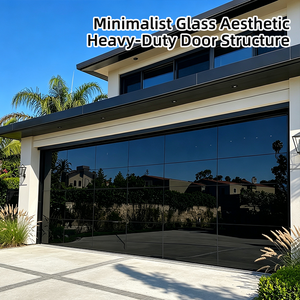
Wholesale Full View Glass Sectional Garage Door Frameless Aluminum Concealed Frame
Get Catalog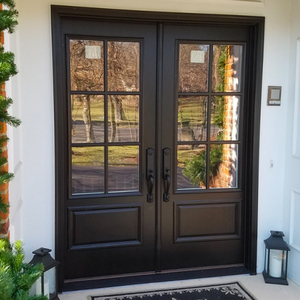
Custom Villa Main Entrance Door Aluminum Casement Double Tempered Glass Door
Get Catalog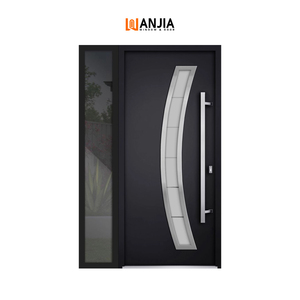
Aluminum Entrance Exterior Front Door with Thermal Break Double Glazing Soundproof
Get Catalog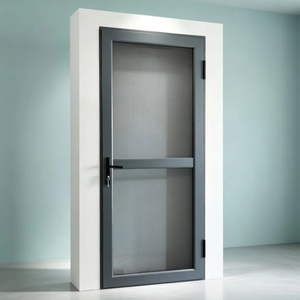
Single Opening Security Screen Door 304 Stainless Steel Mesh Multi Point Lock
Get Catalog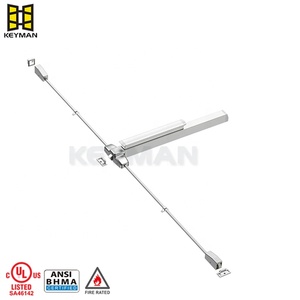
KEYMAN Commercial Emergency Door Surface Vertical Bar 3 Point Locking Panic Bar
Get Catalog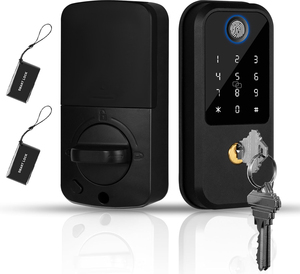
Keyless Smart Door Lock Fingerprint Deadbolt Automatic Digital Keypad Lock
Get Catalog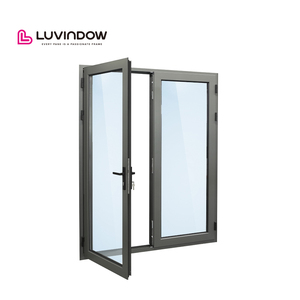
Direct Factory Thermal Break Low-E Powder Coated Hinged Modern French Door
Get Catalog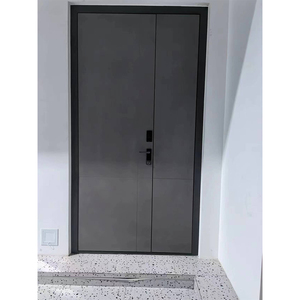
CHANGYI American House Modern Entry Front Entrance Door for House & Villa
Get CatalogArchitectural Specification & Structural Engineering Guide
Technical analysis of impact-resistant glass technology, extrusion metallurgy, and structural thermal barrier integration for global B2B procurement.
Laminated SGP vs. PVB Glass
Impact-resistant entry doors require specialized glass lamination. Standard Polyvinyl Butyral (PVB) interlayers offer entry-level protection, but high-velocity hurricane zones (HVHZ) demand SentryGlas® Ionoplast (SGP) interlayers. SGP provides 5 times the tear strength and 100 times the rigidity of traditional PVB, ensuring structural retention even if both glass plies shatter under severe impact.
Polyamide PA66 Thermal Breaks
To combat thermal bridging in extreme hot or freezing climates, architectural extrusions incorporate 24mm to 34mm Polyamide PA66 GF25 (25% glass fiber reinforced) structural insulation strips. This mechanism reduces overall thermal conductivity, enabling U-factors as low as 0.22 Btu/h·ft²·°F to satisfy North American NFRC and European CE energy codes.
Multi-Point Locking Mechanics
Forced entry resistance and deflection management require robust hardware. Engineered impact doors integrate multi-point stainless steel gearboxes (top, latch, and bottom shooting bolts) capable of resisting lateral load pressures exceeding 3,500 N. Compatible with biometric smart keypads, commercial panic panic hardware, and high-load concealed pivot hinges.
Quantitative Engineering Matrix: Entry Door Standards
Direct comparison of structural performance metrics across entry door framing systems and glazing specifications.
| Performance Standard / Specification | Standard Tempered Glass Entry Door | Standard Hollow Core Steel Door | Novor OEM Impact Glass Entry System |
|---|---|---|---|
| Wind-Borne Debris Impact Test | Fails (Shatters instantly) | Passes (Deforms under debris) | ASTM E1996 Large Missile Level D Pass |
| Design Pressure (DP) Rating | DP 25 - DP 35 | DP 40 - DP 50 | DP 70 - DP 100 (HVHZ Compliant) |
| Thermal U-Factor (NFRC Rated) | 0.55 - 0.70 Btu/h·ft²·°F | 0.38 - 0.48 Btu/h·ft²·°F | 0.20 - 0.26 Btu/h·ft²·°F (Low-E Double IGU) |
| Acoustic Sound Insulation | STC 26 - STC 28 dB | STC 30 - STC 32 dB | STC 40 - STC 44 dB (Acoustic Laminated) |
| Corrosion Resistance (Salt Spray) | 250 Hours ASTM B117 | 500 Hours (Prone to rust) | 3,000+ Hours PVDF / Qualicoat Class 3 |
| Forced Entry Resistance | Grade 10 Basic | Grade 30 Commercial | Grade 40 Multi-Point Lock Stainless Steel |
Future Procurement & Manufacturing Trends (2026–2030)
Key structural shifts in commercial architectural procurement, residential design, and building envelope compliance.
1. Ultra-Slim Sightlines with Structural Silicone Bonding
Architectural intent is leaning heavily toward floor-to-ceiling glass expanses without bulky aluminum sightlines. Structural silicone glazing (SSG) technology allows frame profiles to drop below 25mm in visible width while transferring wind load forces directly into structural aluminum sub-frames, preserving high DP ratings while delivering minimalist aesthetics.
2. Smart Access IoT & Concealed Automation Integration
Modern commercial and luxury villa entries are shifting away from traditional mechanical keys. OEM/ODM production now routinely embeds hidden wiring channels for motorized latch retractor locks, facial recognition sensors, and smart home IoT controllers directly inside thermal break door stiles, maintaining IP65 weatherproofing.
3. Dynamic Solar Control & Low-Carbon Aluminum Extrusions
With international carbon border adjustment mechanisms (CBAM) taking effect, B2B buyers prioritize suppliers utilizing primary aluminum smelted with hydropower (low carbon footprint < 4.0 kg CO2/kg Al). Glazing stacks incorporate electrochromic or double-triple Low-E coatings to achieve Solar Heat Gain Coefficients (SHGC) below 0.20.
4. Modular Pre-Assembled Rough Opening Sub-Frames
To eliminate expensive jobsite labor and installation errors in foreign export markets, OEM manufacturers are supplying prefabricated steel/aluminum rough opening sub-frames. Doors arrive fully factory-glazed, squared, and pre-drilled, cutting installation time on construction sites by up to 60%.
Why Partner with Novor Front Door Technology
Vertical integration, international engineering compliance, and robust export capabilities tailored for global B2B procurement.
Three Specialized Manufacturing Facilities
Operating specialized plants in Yongkang (Cast Aluminum Doors), Foshan (Thermal Break Glazing & Windows), and Haikou (Export HQ & Steel Fire Doors) to deliver tailored product expertise under one master quality assurance system.
End-to-End OEM & ODM Customization
From 3D CAD modeling and finite element wind-load stress analysis to custom die extrusion molds, custom powder coat matching (RAL/Pantone), and private labeling for international brand distributors.
Export-Grade Protective Packaging
Every unit undergoes 100% factory pre-assembly checks before being sealed with protective film, foam edge guards, and vacuum-sealed vapor barriers inside ISPM-15 compliant seaworthy wooden crates.
Procurement & Technical Engineering FAQ
Detailed answers to frequent inquiries from architectural specifiers, general contractors, and overseas importers.
What specific hurricane impact certifications do your impact entry doors hold?
Our impact glass entry doors are tested in accordance with ASTM E1886 and ASTM E1996 testing standards, qualifying them for Large Missile Impact Level D requirements. This means the glazing system withstands the direct impact of a 9-pound 2x4 timber fired at 50 feet per second, followed by 9,000 cycles of positive and negative pressure loading. Detailed test reports certified for Florida High-Velocity Hurricane Zones (HVHZ) and international building codes are available upon request.
What is the standard manufacturing lead time for custom OEM/ODM door packages?
Standard production lead time ranges between 15 and 30 business days following final shop drawing sign-off and sample color approval. For complex commercial developments requiring custom extrusion dies or unique hardware integrations, die creation takes approximately 12–15 days, with batch production scheduled in aligned phases to match jobsite delivery schedules.
Can Novor manufacture entry doors to meet specific US, Canadian, European, and Australian building codes?
Yes. Our engineering department designs systems specifically to target regional compliance: NFRC energy ratings and Florida HVHZ hurricane codes for North America; low U-factor thermal breaks for cold-climate Canadian construction; CE marking and EN standards for European countries; and AS 2047 / AS 1288 structural water penetration performance for Australia and New Zealand.
How do you ensure hardware compatibility for smart locks and panic exit devices?
Our door stiles and internal reinforcements are custom-machined via CNC equipment using precise templates provided by major international hardware brands (e.g., Yale, Dormakaba, HOPPE, Winkhaus, and Keyman). We pre-drill internal wire chases, lock mortises, and hinge backing plates so your local hardware or automated locking systems install seamlessly on site.
What surface finishes are offered to prevent corrosion in marine coastal environments?
For coastal and high-salinity applications, we apply Qualicoat Class 2 / Class 3 thermosetting powder coatings or 70% Kynar 500 / Hylar 5000 PVDF fluoropolymer liquid coatings. These finishes pass 3,000-hour continuous salt spray exposure testing under ASTM B117 standards, preventing chalking, pitting, and oxidation.
What warranty protection is provided on door assemblies and insulated glass units?
Novor Front Door provides a comprehensive 5-year structural warranty covering aluminum frames, thermal breaks, and mechanical hardware against manufacturing defects, alongside a 10-year seal failure warranty on double and triple insulated glass units (IGUs). Warranty claims are supported by dedicated engineering teams and replacement parts dispatch.
Ready to Spec Your Impact Glass Entry Project?
Consult with our engineering team, request custom 3D shop drawings, or obtain factory-direct wholesale pricing for your commercial or residential project.