Featured Aluminum Entry & Window Systems for Overseas Procurement
Exceeding international codes with CE, UL, NFRC, and JIS compliance. Fully customizable profiles, heavy-duty hardware, and advanced thermal breaks.
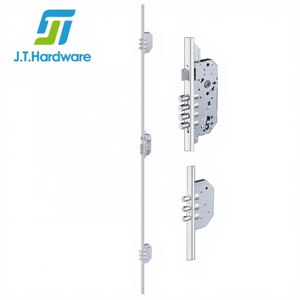
Cerradura Embutir Three Point Security Mortise Multi Point Door Locks With Roller Latch
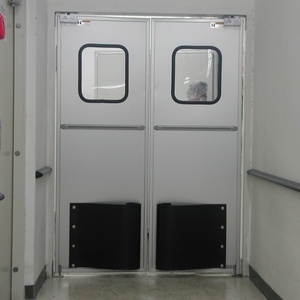
Lightweight Corrosion Resistant Distribution Center Swing Door
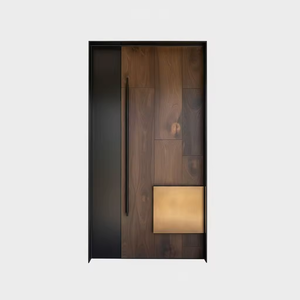
Residential Luxury Modern Pivot Main Entrance Door for Apartment Villa Exterior Front Door
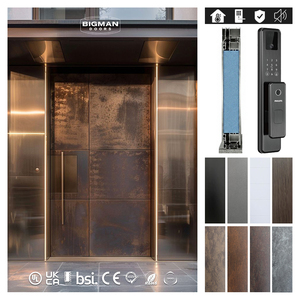
Canada Modern Villa Entrance Design Heavy Duty Vintage Rustic Finished 6 Panel Heat Insulated Security Door
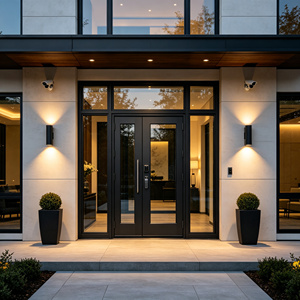
Thermal Break Aluminum Security Entry Door Glazed Ballistic Glass Waterproof Exterior Front Door
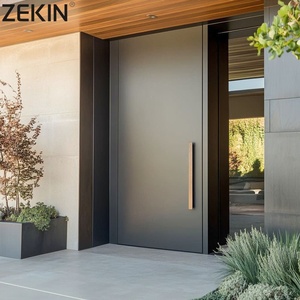
ZEKIN Outdoor Back Painted Glass Anti-theft Exterior Security Aluminum Cast Pivot Door
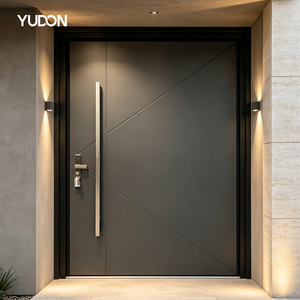
YUDON DOOR Main Entrance Pivot Door Entry Door Pivot Door with Frame Matte Gray Finish
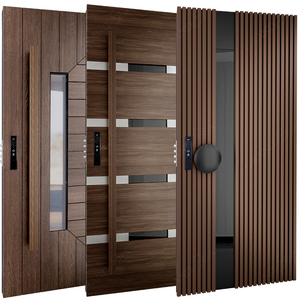
Residential: Exterior Aluminum Security Entrance Door Aluminum Blast Front Door For Villas
Customizing Aluminum Casement Windows for Osaka’s Architectural Environment
Osaka presents a unique combination of coastal humid sub-tropical climate, intense summer heatwaves, extreme autumn typhoon risks, and tight urban zoning laws. Sourcing architectural casement windows demands precise technical engineering.
Typhoon & Wind Load Resistance (JIS A 4706)
Situated along Osaka Bay, buildings in Osaka City and surrounding prefectures must endure gale-force winds exceeding 50 m/s during autumn typhoons. Our casement windows utilize high-tensile 6063-T6 aluminum extrusion alloy with wall thicknesses up to 2.0mm. Reinforced corner crimping and multi-point locking gear guarantee structural wind pressure ratings up to 3600 Pa (S-7 grade under JIS standards), preventing frame deflection and glass dislodgement.
Thermal Insulation & ZEH / ZEB Compliance
Under Japan’s updated Energy Conservation Law and Net-Zero Energy House (ZEH) initiative, Osaka falls into Climate Zone 6. Standard aluminum frames cause severe thermal bridging. We integrate 24mm to 34mm high-density Polyamide (PA66GF25) thermal break strips, combined with double or triple-glazed argon-filled Low-E glass. This achieves an outstanding U-Factor of 1.2 W/m²K, drastically reducing summer air conditioning loads and winter heat loss.
Osaka Fire Prevention Zone (防火地域) Standards
Due to dense urban wooden and steel construction in central districts like Namba, Umeda, and Chuo-ku, many building sites are designated as Fire Prevention or Semi-Fire Prevention Zones. Our custom commercial aluminum casement windows can be configured with fire-rated wired glass or ceramic toughened fireproof glazing, fitted with intumescent fire-sealing EPDM gaskets to prevent flame spread and meet local municipal code safety checks.
Technical Specification Matrix: Osaka Market vs Standard Export Units
| Engineering Specification | Standard International Export Profile | Novor Osaka Coastal & Urban Grade Profile | Japan Building Code Target (JIS / Kenchiku Kijun-hō) |
|---|---|---|---|
| Aluminum Alloy Grade | 6063-T5 (1.4mm wall thickness) | 6063-T6 High-Tensile (1.8mm - 2.2mm) | JIS H 4100 Compliant Extrusions |
| Airtightness & Water Tightness | Air: Class 3 / Water: 300 Pa | Air: S-7 Grade / Water: W-5 (600 Pa+) | JIS A 4706 Typhoon Water Tightness |
| Thermal Insulation (U-Value) | 2.2 - 2.8 W/m²K | 1.1 - 1.4 W/m²K (Low-E Double Argon) | Japan Energy Efficiency Zone 6 (ZEH Standard) |
| Acoustic Noise Reduction | 25 - 30 dB | 35 - 42 dB (Triple Gasket Seal) | JIS A 4706 Sound Insulation T-3 Grade |
| Surface Coating & Corrosion | Standard Powder Coating (60μm) | Fluorocarbon (PVDF) / Electrophoretic Anodizing | Salt Spray Test > 2000 hrs (C5-M Marine Coastal) |
| Hardware Mechanism | Standard Single-Point Latch | Heavy-Duty Multi-Point Friction Hinge Lock | Anti-Pry Security & High Wind Load Restraint |
Localized Application Scenarios Across Osaka & Kansai Region
From high-density urban residential retrofits to waterfront commercial developments along Osaka Bay, our casement window systems adapt seamlessly to local construction frameworks.
High-Rise Apartments & Commercial Complexes in Umeda & Namba
Urban Osaka suffers from continuous noise traffic from the Hanshin Expressway and busy railway hubs. Our inwards-tilt casement windows provide supreme acoustic damping up to 38 dB, while allowing effortless cleaning from inside high-rise units.
- Tilt & Turn Dual-Opening Functionality for secure micro-ventilation
- Acoustic laminated glass dampens railway and highway low-frequency noise
- Concealed European groove hinges for sleek minimalist exterior facades
Osaka Bay Logistics Parks & Port Facilities (Nanko & Izumiotsu)
Direct exposure to salt-laden sea breezes and intense humidity around Port of Osaka accelerates metal degradation. Our marine-grade anodized and PVDF-coated casement windows resist pitting corrosion for over 25 years.
- C5-M rated high-durability fluorocarbon surface protection
- 316 Stainless steel multi-point locking hardware and friction stays
- Reinforced EPDM weatherstripping withstands intense salt and UV exposure
Custom Single-Family Villas in Minoo, Suita, & Ashiya Suburbs
Modern Kansai residential architecture emphasizes indoor-outdoor flow without sacrificing energy containment. We manufacture large-span French-style side-hung casement windows integrated with built-in stainless steel fly screens.
- Integrated 304 High-Visibility Stainless Mesh (Anti-Mosquito & Anti-Theft)
- Dual-color profile anodizing (Wood-grain interior / Dark Grey exterior)
- Low U-value thermal break profiles ideal for cold Rokko mountain winds
Kyoto-Osaka Cultural Renovations & Boutique Hotels
Replacing deteriorating timber frames in traditional Machiya-inspired modern hotels requires ultra-narrow sightlines that honor classic aesthetic proportions while supplying modern airtight insulation.
- Ultra-slim frame profiles maximizing natural daylight harvest
- Custom bronze, matte black, and dark copper powder coat finishes
- Pre-engineered frame adaptors for quick fitting into existing structural openings
Trends Driving Window Procurement in the Osaka Market
Understanding shifting building regulations and sustainability mandates in western Japan gives project developers a crucial competitive edge.
1. Osaka 2025 World Expo Green Building Legacy
With the Osaka Expo driving sustainability standards across the Kansai region, commercial developers are heavily penalized for non-efficient fenestration. Double-glazed thermal break casement windows are now mandatory across major new office and hospitality builds to meet strict carbon-neutral targets.
2. Rapid Shift from Sliding to Casement Windows
While sliding windows historically dominated Japanese residential builds, casement windows are experiencing rapid adoption. Casement windows seal tightly against the frame when closed, offering superior airtightness (S-7 grade) and wind-water sealing compared to traditional horizontal sliders.
3. Prefabricated Modular & Off-Site Construction
Due to severe construction labor shortages in Japan, general contractors in Osaka are demanding pre-hung, sub-frame integrated window packages. Novor supplies custom aluminum sub-frames and pre-drilled fixing lugs that reduce on-site installation labor by over 40%.
Novor Front Door Technology: Engineering Excellence & OEM Capacity
As a direct-from-factory manufacturer operating across specialized industrial centers in China, we deliver custom fenestration solutions with uncompromising quality control.
Tri-Plant Manufacturing Ecosystem
Our Foshan plant handles precision aluminum extrusions and hardware fitting, while our Yongkang and Hainan plants specialize in heavy-duty cast aluminum and security door integration, allowing consolidated containerized shipping.
Global Certification Credentials
Tested and certified under CE, UL, NFRC, AS 2047, CSA, and ISO 9001, backed by rigorous third-party inspection reports from TÜV AUSTRIA and Bureau Veritas for rapid customs clearance in Japan.
Streamlined Osaka Shipping Logistics
Direct weekly sea freight dispatches from Nansha or Shenzhen to Port of Osaka (Nanko Pier) with fast transit times of only 4-6 days, ensuring your construction project stays strictly on schedule.
Heavy-Duty Fumigated Export Crated Packaging
Every window assembly is wrapped in protective scratch-proof film, fitted with impact-resistant corner guards, and packed inside fully enclosed plywood wooden crates designed for safe crane unloading.
Complete OEM/ODM Customization & CAD Service
We provide complimentary Auto-CAD shop drawings, 3D BIM models, profile structural calculation reports, and sample approvals prior to mass manufacturing to eliminate on-site fitting discrepancies.
5-Year Structural & Surface Warranty
Our commitment to quality is backed by a 5-year structural warranty on all aluminum extrusions, hardware mechanisms, and sealed glass units, supported by 24/7 technical customer support.
Frequently Asked Questions by Osaka Buyers & Importers
Everything contractors, architects, and procurement managers need to know about importing our aluminum casement windows to Japan.
How do your aluminum casement windows perform under extreme typhoon wind loads in Kansai?
Our casement windows are engineered specifically for high wind-pressure regions. Utilizing 6063-T6 structural alloy extrusions with frame profile depths up to 70mm - 90mm and wall thicknesses of 1.8mm to 2.2mm, our units withstand wind pressures up to 3600 Pa (equivalent to JIS A 4706 S-7 grade). Furthermore, heavy-duty multi-point stainless steel friction hinges prevent frame twisting during gale-force winds exceeding 50 m/s along Osaka Bay.
Can your window profile systems comply with Japan's Building Standard Law (建築基準法)?
Yes. We customize profile dimensions, glass specifications, and hardware to meet Japan’s Building Standard Law. For Fire Prevention and Semi-Fire Prevention Zones (防火地域 / 準防火地域) commonly found in Osaka city center, we can supply windows with heat-resistant ceramic fireproof glass and intumescent seals. We also provide full material test reports, mill certificates, and structural calculation sheets for municipal building inspector sign-off.
What is the production lead time and shipping duration to the Port of Osaka?
Standard OEM manufacturing lead time is 15 to 30 days following CAD drawing and sample approval. Sea freight from our southern China export terminals (Shenzhen / Guangzhou / Foshan) directly to the Port of Osaka (Nanko Container Terminal) takes only 4 to 6 days. Total time from order confirmation to dock arrival in Osaka typically spans between 22 to 36 days.
Do you offer OEM hardware compatibility with Japanese lock standards (e.g., Miwa, Goal) or European hardware?
Yes. Our aluminum extrusion profiles feature standard European C-groove and K-groove hardware channels. We can factory-install premium hardware from leading European brands (HOPO, Siegenia, CISA, G-U) or supply custom cutouts and reinforcement plates engineered to accept Japanese mortise lock bodies (such as Miwa or Goal hardware) requested by your local installation team.
How are products protected against corrosion in marine environments near Osaka Bay?
For coastal project locations, we apply a marine-grade PVDF (Fluorocarbon) coating or Electrophoretic Anodized finish exceeding 25 microns thickness. This surface treatment passes over 2000 hours of continuous neutral salt spray testing (C5-M rating), guaranteeing immunity against salt mist corrosion, surface chalking, and UV degradation.
What export packaging is used to prevent glass breakage during sea transport?
Every window unit undergoes a 5-layer protective packing process: 1) Protective anti-scratch adhesive film over aluminum surfaces; 2) High-density foam corner protectors; 3) Bubble wrap encapsulation; 4) Corrugated cardboard outer casing; 5) Heavy-duty fumigated plywood crates with bottom forklift runners. This ensures zero freight damage during transit and offloading.
Ready to Upgrade Your Osaka Building Project?
Send us your project opening schedule, elevation blueprints, or technical specifications. Our senior engineering team will deliver a comprehensive project quote and shop drawings within 24 hours.