Architectural Entrance Systems & Windows for Nagoya Projects
Explore our top-tier exterior entrance doors, structural aluminum glazing, and specialized security assemblies engineered for luxury villas, commercial towers, and multi-family developments.
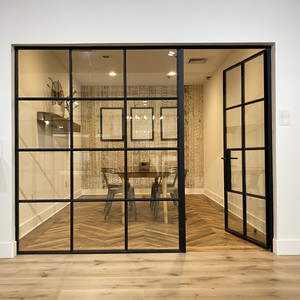
Custom Metal Framed French Wrought Iron Indoor Wall Divider Aluminium Glass Doors
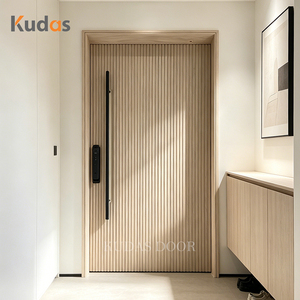
Modern Minimalist Fluted Oak Solid Wood Front Entry Pivot Door With Long Handle
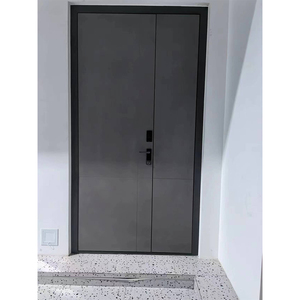
CHANGYI American House Modern Entry Front Entrance Door for Villa & Residential
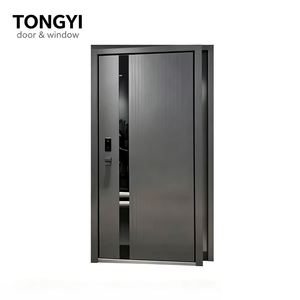
Custom Made Luxury Modern Aluminum Alloy Steel Pivot Entry Front Door
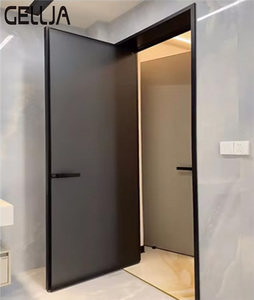
Metal Frame Modern Contemporary Aluminium Alloy Showerroom Casement Glass Door
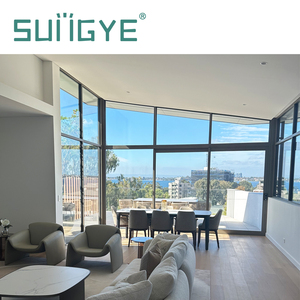
SUNGYE Villa Black Aluminum Panoramic Windproof Double Glass Sliding Door
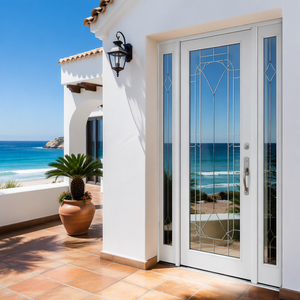
Mediterranean Style White Aluminum Glass Lattice Security Entry Door
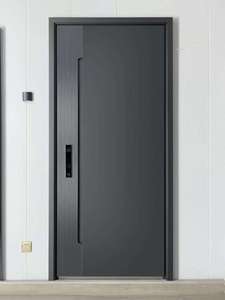
High-Quality Custom Aluminum Entrance Door, Soundproof & Fireproof
1. Whitepaper: The Evolving Architectural Entrance & Fenestration Landscape in Nagoya
As the economic epicenter of the Chubu region and Aichi Prefecture, Nagoya occupies a distinctive position in Japan's urban landscape. Known worldwide for industrial precision, automotive engineering excellence, and rapid suburban expansion across districts like Chikusa-ku, Showa-ku, and the vibrant Meieki commercial corridor, Nagoya’s architectural sector demands building components that match its rigorous industrial standards. Importing exterior main doors, luxury entry pivots, cast aluminum gates, and structural window systems into Nagoya requires a nuanced understanding of local environmental factors, stringent Japanese Industrial Standards (JIS), and shifting consumer aesthetics.
Foreign main door factories and global B2B exporters must move beyond standard supply chains. Navigating Nagoya's architectural procurement demands specialized engineering: high wind-load resistance to withstand typhoon seasons blowing over Ise Bay, superior thermal break insulation to combat hot, humid Central Japan summers alongside freezing mountain winds from the Ibuki range, and seismic displacement flexibility engineered to meet Japan's strict building code regulations (Kenchiku Kijun-hō).
Information Gain Insight: B2B buyers in Nagoya—ranging from general contractors (Zenekon) and local housing developers (House Maker) to architectural design offices—increasingly seek OEM/ODM manufacturing partners capable of delivering integrated entrance packages. Sourcing entry doors, soundproof windows, cast aluminum gates, and commercial fire-rated doors from a single certified factory significantly reduces jobsite friction, ensures color harmony, and guarantees hardware alignment with local MIWA or GOAL mortise lock prep.
Technical Microclimates & Structural Requirements in Aichi Prefecture
Nagoya experiences extreme seasonal temperature swings accompanied by elevated relative humidity during summer months. Main entrance doors constructed of sub-standard timber or uninsulated steel profiles frequently suffer from warping, seal degradation, skin condensation, and frame corrosion over time. Our direct-to-factory production model addresses these localized challenges through hyper-targeted engineering adjustments:
- Polyamide Thermal Break Profiles: Engineered with PA66 nylon thermal barriers that sever the heat conduction path, maintaining indoor ambient temperatures and meeting modern Japanese ZEH (Net Zero Energy House) energy conservation benchmarks.
- PVDF & Marine-Grade Fluorocarbon Coatings: Applied to all exterior aluminum surfaces to resist coastal salt spray degradation coming from the Port of Nagoya and Southern Aichi coastal belts.
- Seismic Drift Accommodation: Door frames designed with flexible EPDM multi-seal gaskets and reinforced steel sub-frames capable of absorbing inter-story drift during seismic events without jamming the entry leaf.
Seismic Shear Resistance
Frame assemblies engineered to pass JIS structural deformation tests, ensuring emergency clearance during seismic tremors.
Thermal Barrier Efficiency
Integrated PA66 thermal breaks delivering U-factors optimized for Aichi Climate Zone 6 energy efficiency regulations.
Acoustic Attenuation (STC 38+)
Multi-layered insulated glass units (IGU) filled with Argon gas reduce urban ambient noise along Nagoya's busy transit arteries.
2. Engineering Matrix: Comparing Main Entrance Door Technologies for Nagoya Procurement
When selecting main door assemblies for high-end residential estates in Yagoto or commercial developments in Sakae, architects must weigh aesthetics against structural longevity. Below is an engineering comparison matrix designed for technical procurement managers and structural specifiers:
| Door Technology System | Material Core & Finish | Wind Load / Waterproofing | Thermal & Sound Rating | Ideal Nagoya Application |
|---|---|---|---|---|
| Cast Aluminum Villa Doors | Solid 8mm-12mm Cast Aluminum Panel; PVDF Fluorocarbon Finish | JIS S-6 (3600 Pa) Grade W-5 Waterproof |
U-Factor: ≤ 1.8 W/m²·K Sound: STC 40 dB |
Luxury Independent Estates, Coastal Villas (Chita Peninsula), Executive Residences |
| Over-Sized Exterior Pivot Doors | Thermal Break Aluminum Alloy + Fluted Oak / Steel Reinforcement | JIS S-5 (3000 Pa) German Pivot Hinge Assembly |
U-Factor: ≤ 2.0 W/m²·K Sound: STC 36 dB |
Modern Architectural Custom Homes, Boutique Hotel Entrances in Naka-ku |
| Reinforced Steel Security Doors | Galvanized Steel Leaf + Mineral Wool / Aluminum Honeycomb Core | JIS S-5 (3000 Pa) Anti-Pry Frame System |
Fire Rating: 45 to 90 Mins Sound: STC 42 dB |
Multi-Family Residential Apartments, Utility Rooms, Commercial Fire Corridors |
| Slim-Frame Glass Entrance Doors | T6-6063 Architectural Aluminum + Double/Triple Tempered Low-E Glass | JIS S-4 (2400 Pa) EPDM Weather Seals |
U-Factor: ≤ 1.5 W/m²·K Sound: STC 35 dB |
Modern Courtyard Dividers, Indoor French Partition Walls, Storefronts |
Note: All door systems manufactured by Novor Front Door Technology are engineered to accept local Japanese electronic smart locks, facial recognition access terminals, and traditional MIWA/GOAL mortise hardware cutouts upon factory request.
3. Localized Application Scenarios Across Nagoya & Aichi Prefecture
Scenario A: Luxury Custom Residential Estates in Chikusa-ku & Yagoto
Residential architecture in upscale Nagoya neighborhoods favors clean horizontal lines, minimalist facades, and impressive entrance portals. For these high-budget single-family homes, standard off-the-shelf door dimensions are inadequate. Our custom-engineered Modern Minimalist Fluted Oak Solid Wood Pivot Doors and Luxury Cast Aluminum Villa Doors provide dramatic floor-to-ceiling proportions (heights up to 3.8 meters and widths up to 1.8 meters per single leaf).
Equipped with concealed heavy-duty hydraulic floor pivots, soft-close dampening mechanisms, and integrated LED accent lighting channels within the long vertical pull handles, these doors deliver a luxurious tactile experience while remaining completely weather-tight against severe wind-driven rain.
Scenario B: Coastal & Typhoon-Exposed Properties in Chita Peninsula & Mikawa Bay
Projects positioned along Aichi’s southern coastline face persistent salt fog, high humidity, and powerful summer typhoons. Traditional iron gates and standard wood veneers deteriorate rapidly under these conditions. Sourcing our SUNGYE Windproof Double Glass Panoramic Doors and Cast Aluminum Entrance Assemblies solves this operational pain point.
Featuring sea-grade anodized or PVDF coatings tested against 3,000 hours of continuous salt spray exposure, non-ferrous aluminum hardware components, and heavy EPDM rubber weatherstripping, these entrance packages maintain structural integrity and color fastness without rust or skin chalking.
Scenario C: Commercial Multi-Family Housing & Mixed-Use Towers in Meieki & Sakae
High-density urban developments surrounding Nagoya Station (Meieki) demand strict compliance with fire codes and acoustic isolation standards. Our factory exports UL & CE Certified Commercial Fire Rated Doors alongside High-Quality Soundproof Custom Aluminum Entrance Systems directly to Japanese construction sites.
These assemblies provide up to 90 minutes of fire containment, prevent smoke migration with intumescent perimeter seals, and isolate internal corridor noise, ensuring apartment occupants enjoy serene living spaces despite outer city hustle.
4. Key Localization Trends Shaping Nagoya Procurement Decisions
Understanding emerging architectural trends allows real estate developers and building material importers in Nagoya to maintain a competitive market edge. Through our close collaboration with Japanese project managers, we have identified three prominent trends driving main door procurement:
1. Symbiosis of Japanese Sukiya Aesthetics with Modern Industrial Minimalism
Modern Japanese homeowners increasingly request entryways that combine natural textures (such as vertical wooden fluting, dark matte bronze, and natural stone textures) with sleek metal framing. Our factory specializes in hybrid door skins that pair heavy-gauge T6 aluminum sub-structures with real oak, teak, or engineered composite skins. This achieves the timeless warmth of natural timber while completely eliminating the warping, swelling, and maintenance burdens associated with traditional solid wood exterior doors.
2. Frictionless Keyless Access & Smart Home Ecosystem Integration
Nagoya's tech-forward population—driven by the region's strong engineering culture—expects main entrance doors to integrate effortlessly with smart home hubs. We pre-engineer all export doors with internal conduit raceways, magnetic sensor slots, and precision CNC lock cutouts compatible with smart mortise locks, biometric fingerprint scanners, keypad handles, and video doorbell systems. Hardware can be pre-installed at our plant or prepared precisely for local on-site drop-in installation.
3. Zero Energy House (ZEH) Thermal Standards
Japan’s national push toward carbon neutrality has accelerated the adoption of ZEH building guidelines. Main doors are often identified as major thermal bridges in residential building envelopes. By implementing dual and triple thermal break chambers filled with high-density polyurethane foam insulation, our main doors achieve exceptionally low thermal transmittance values (U-Factor ≤ 1.5 W/m²·K), qualifying developments for green building tax incentives and regional energy subsidies across Aichi Prefecture.
5. Factory Supremacy & Direct Exporter Strengths: Novor Front Door Technology
Novor Front Door Technology Co., Ltd. stands as a premier global OEM/ODM manufacturer specializing in high-performance entrance doors and structural aluminum window systems. Serving importers, commercial contractors, housing developers, and architectural specifiers across 30+ countries, we operate three specialized manufacturing plants engineered to fulfill complex B2B project orders:
Plant 1: Yongkang, Zhejiang
Located in China's famous Door Capital, specialized in heavy cast aluminum doors, luxury villa entry portals, and ornate metal forging.
Plant 2: Foshan, Guangdong
Situated in the heart of global aluminum profile extrusion, focusing on thermal break windows, sliding doors, and ultra-slim pivot systems.
Plant 3: Haikou HQ & Steel Line
Export headquarters, technical drawing center, and dedicated production facility for UL fire-rated doors and steel security entrance leaves.
Why Nagoya B2B Importers Partner With Us
- Consolidated One-Stop Procurement: Order your exterior pivot doors, interior glass dividers, aluminum casement windows, fire rated corridor doors, and garage doors in a single consolidated sea-freight container—reducing shipping overhead and simplifying project management.
- Rigorous Third-Party Certification: Tested and compliant with international standards including CE, UL, NFRC, AS 2047, CSA, and ISO 9001, backed by factory audits from TÜV AUSTRIA and Bureau Veritas.
- Precision Shop Drawings & BIM Support: Our dedicated engineering staff produces CAD shop drawings, 3D render visualizations, and physical material control samples prior to mass production, eliminating dimensional errors before shipment.
- Export-Grade Protective Packaging: Every door leaf and window system is wrapped in protective plastic film, edge-guarded with high-density foam corner protectors, and sealed inside fumigated, export-grade plywood crates designed for safe handling at the Port of Nagoya.
6. Frequently Asked Questions (FAQ) for Nagoya Importers & Contractors
Below are clear, direct answers to common questions raised by Japanese buyers, general contractors, and material distributors when sourcing entrance doors and aluminum fenestration products from our factory:
Partner With a Trusted Main Door Factory for Your Next Nagoya Project
Send us your door schedule, architectural elevations, or custom CAD drawings today. Our engineering team will deliver a comprehensive project quotation, thermal rating calculations, and technical recommendations within 24 hours.